Why Is It So Difficult To Open A Bank Account Now
Opening a bank account used to feel pretty simple. You would show up at the branch, hand over a couple of documents, and walk out with your new account details. Lately, though, a lot of people have found that this process is nowhere near as smooth as it once was. If you’ve tried to open a bank account recently, you might have noticed more paperwork, stricter identity checks, and longer wait times. I’ve dug into the main reasons behind this switch up, and I’m going to break down what’s making things so much trickier these days—and what you can do to make the process smoother.
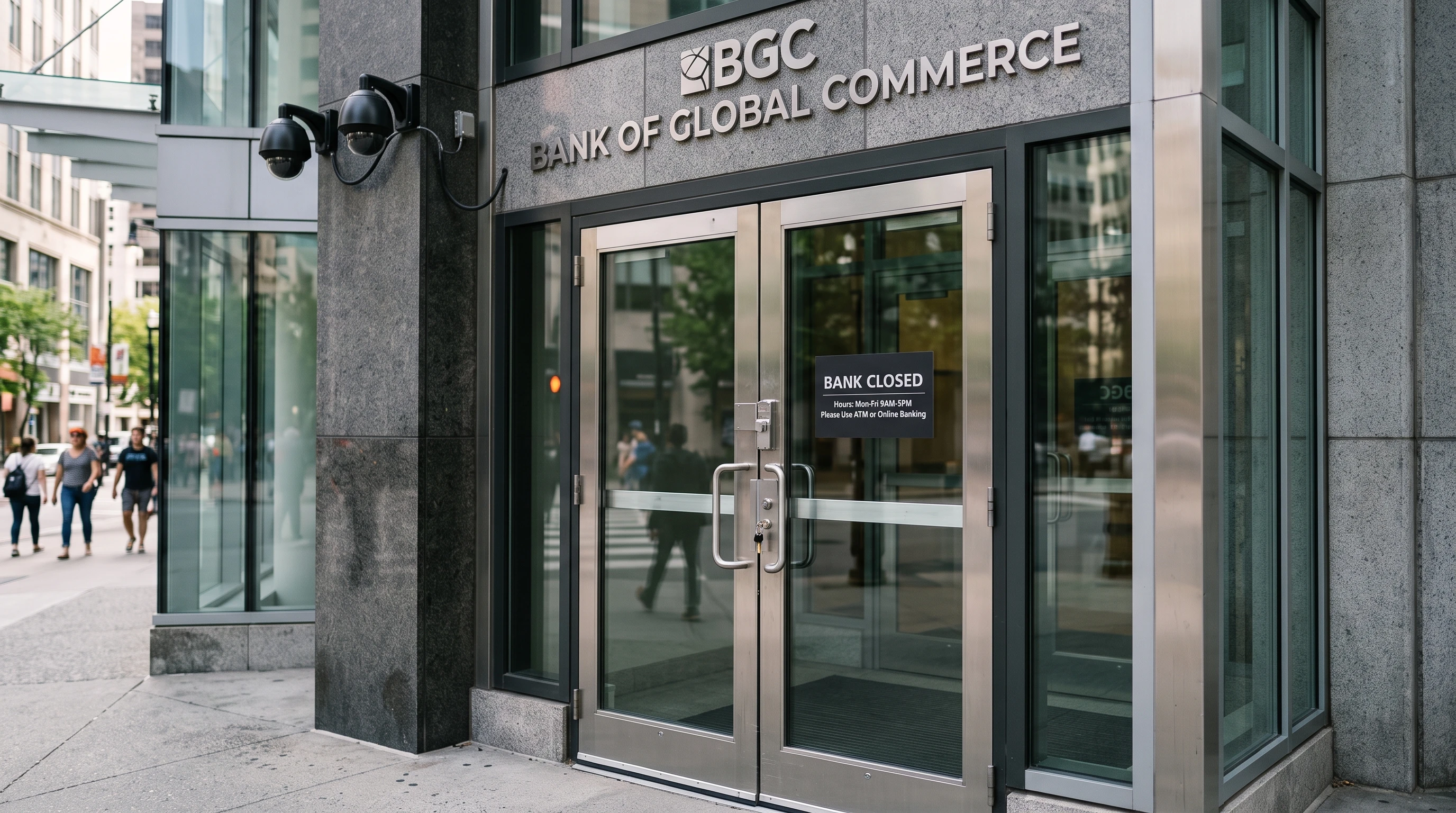
What Changed? The Rising Complexity of Opening a Bank Account
Opening a bank account has always required some personal details, but rules have tightened up quite a bit in the last decade or so. Global regulations, bigger concerns over fraud, and new digital standards have made financial institutions rethink how they handle new customers.
Everything from international laws on money laundering to crackdowns on identity theft has banks on high alert. At the same time, since more people are choosing online or mobile banking instead of visiting branches, banks have to be even more careful when verifying a customer’s identity through remote channels.
Years ago, the process was more about collecting basics—your name, address, maybe an employment detail or two. Now, expect lots of questions, frequent document requests, and several steps just to prove you are who you say you are. This isn’t just happening locally; it’s a global trend across the financial sector.
Key Reasons Why It’s So Difficult to Open a Bank Account Now
You might be wondering if banks are just making things up as they go, but there’s a method to this madness. Here are the top reasons why opening a new bank account feels like running an obstacle course these days.
- Anti-Money Laundering (AML) Regulations: Banks follow tough AML rules to spot and report suspicious activity. This means deeper checks on customer backgrounds, the origin of funds, and the types of transactions expected.
- Know Your Customer (KYC) Processes: KYC rules require banks to gather a ton more information up front. This includes confirming your identity with government-issued photo IDs (sometimes two), proof of address, and even source-of-income statements.
- Fear of Fraud and Identity Theft: Banking and financial scams are on the rise. To protect everyone, banks have ramped up security checks, which might involve in-person interviews, extra documentation, or even biometric scans through online applications.
- Pressure from Regulators: Financial institutions face fines and penalties if they miss the mark with compliance. This puts banks on the defensive, often leading to more caution and a pile of paperwork for new customers.
- Stricter Policies After Economic Instability: Events like recessions, economic downturns, or large bankruptcies make banks more careful about who they do business with—especially for higher-risk accounts (like international accounts or joint accounts with non-residents).
Core Documents and Information Banks Now Demand
Back in the day, you expected to show up with a driver’s license and maybe a utility bill. That was enough! Now, depending on the account type and the bank’s internal policy, you might be surprised by the requirements:
- Government-issued photo identification—passport, driver’s license, or national ID card (sometimes two forms)
- Proof of address (utility bill, rental/lease agreement, tax statement, or government letter with your name and address)
- Social Security number or similar national identification number
- Employment or income verification (recent pay stub, tax return, or employer letter)
- Source of funds declaration (especially if depositing large or international sums or opening a business account)
- For business accounts: articles of incorporation, partnership agreements, organizational documents, business tax ID, and documentation for anyone who owns part of the business
The process can get even trickier if you’re a student, recent immigrant, self-employed, or missing traditional documents. Some banks will want video calls or in-person meetings to confirm you really are who you say you are.
Breaking Down KYC and AML Rules
KYC and AML rules impact every bank customer, not just those who raise suspicions. Here’s what these terms mean in plain language:
- KYC (Know Your Customer): These rules make banks verify who you are, get a sense of your financial activity, and make sure the bank isn’t being used for illegal activity. KYC might include facial recognition apps, phone calls, or electronic checks with credit bureaus.
- AML (Anti-Money Laundering): AML rules are about stopping criminals from “cleaning” illegal money through normal banking. Banks need to know where your funds come from and will keep eyes on your transactions for red flags. Ongoing monitoring happens in the background even after your account opens.
It might feel over the top, but these rules are required by law. Banks can get chunky fines for ignoring them, so they double down on screening even for straightforward cases.
Technology’s Role: More Digital, More Complicated?
Digital banking is eye-catching when it works. But jumping into online sign-ups has its own challenges. Instead of handing documents to a teller, you now need to upload photos of IDs, scan bills, and e-sign forms. Digital steps can drag on if your uploads are blurry, documents get rejected by automated systems, or software glitches slow things down. Even a recent address switch up or a tiny data mismatch can trigger reviews that might hold your application in limbo for days or weeks.
Banks use automated verification that cross-checks your info against public records, credit bureaus, and sometimes social media. If your details are out of sync anywhere, your application can get flagged—and that means more calls, more document uploads, and a longer wait.
People who aren’t super comfortable with technology, or who don’t have easy access to smartphones or scanners, can find this downright frustrating. Any errors can trigger further manual reviews, so it pays to be careful and thorough.
Special Challenges for Certain Groups
Not everyone walks in with a standard set of documents. Here are some groups who can face extra headaches due to tighter rules:
- Recent Immigrants or Expats: Often lack local proof of address, credit history, or utility bills. International documents might not meet the bank’s internal requirements.
- Students: Many students don’t have utility bills or their own leases. International students may deal with additional documentation barriers.
- Self-Employed or Gig Workers: Harder to show steady income, especially with cash payments or non-traditional work.
- People with No Fixed Address: Anyone without a regular home (travelers, homeless, recent relocations) usually can’t provide acceptable proof of address. Some banks won’t accept letters from friends or even temporary housing.
- Those with Past Banking Issues: If you’ve had a past account closed for overdrafts or have been reported to a credit agency, you might face rejection or more delays for additional review.
Some banks offer special “basic” accounts for these groups, but the process can still involve meetings, lots of document checks, and longer approval times.
Online Banking: Less Paper, Still Plenty of Hurdles
Online banks often advertise simple applications and quick approvals. In reality, online banks are under the same regulations and rely heavily on automated checks. If your information matches perfectly, you might breeze through. But mismatches or unique situations can leave you waiting for verification codes, having to upload more documents, or waiting for a real person to step in, which is sometimes harder online.
This can actually be tougher if you aren’t digitally savvy, or if you need human help. It turns out the “streamlined” option isn’t always as smooth as the marketing suggests, especially for anyone with unusual paperwork or background.
What Banks Really Want (and What Throws Red Flags)
Banks aren’t just being nosy. They’re following laws and trying to avoid getting burned by fraud or criminal activity. The details they care about include:
- Clear, matching identity and address records on all documents
- Verifiable address, ideally something recent
- No previous trouble spotted in bank or regulatory blacklists
- Plausible explanation and proof for large or out-of-the-ordinary funds
- For business accounts, clear evidence of business legitimacy: ownership records and paperwork showing who’s in charge
If something seems off, they’ll usually ask for more information or pause your application while things get checked out.
Common Roadblocks That Slow Down Account Opening
I’ve read about and seen nearly every snag possible. The most common ones include:
- Expired or non-accepted ID or proof of address
- Address on ID doesn’t match your current address
- Lack of active local credit or employment history (especially hard on expats or newcomers)
- Typos or old details on your government or credit records
- Getting flagged by automated ID checks—for everything from misspelled names to outdated info
- Low-quality or incomplete scans and photographs
Avoiding Mistakes: Key Pre-Application Tips
To make your application smoother, do the following:
- Use clear, up-to-date scanned copies or photos for each required document
- Keep your details consistent across all paperwork: address, full legal name, and contact info
- Check the bank’s requirements before you start, using their online listed requirements or by calling customer service
- Address any outdated info on government or credit bureaus before submitting your application
- Don’t hesitate to reach out if you’re unsure—a quick call can prevent wasted effort and slowdowns
How to Make the Process Go Smoother
Even if you can’t skip the tougher rules, you can smooth the way for yourself. Here are practical steps that help most people get their accounts open:
- Gather Documents Beforehand: Bring two forms of government ID, proof of address under three months old, and income documentation. Students or recent arrivals should think about alternative paperwork (like a school letter or an HR letter from an employer).
- Expect Extra Checks: If your situation isn’t standard (like recent moves, missing credit history, or foreign documents), get ready for requests for more proof, a video call, or additional questions.
- Keep Everything Consistent: Your full name and address must match across every document, even with small differences like an added middle name or apartment number.
- Ask About Special Accounts: Some banks have beginner accounts for students, expats, or those with limited credit, which can be easier to set up, even if they have fewer features.
- Follow Up Quickly: If the bank doesn’t respond after a few days, reach out. Sometimes you just need a nudge for your application to be manually reviewed and processed.
What If Your Application Gets Rejected?
Sometimes, even with everything in place, your bank application is declined. Banks are usually required to give a reason—sometimes it’s clear, sometimes it feels cryptic like “unable to verify identity.”
If you’re denied, the steps you can take include:
- Ask for specific feedback and find out what needs fixing (often it’s expired documents or missing info)
- Try another bank—different banks have slightly different risk rules and requirements
- Check for “basic” or “second chance” accounts, which often have looser entry requirements
- See if credit unions or local community banks are more flexible than major institutions, especially if you have non-traditional paperwork
FAQs: Why Is Opening a Bank Account So Difficult?
Here are questions that come up all the time:
Question: Why do banks need so many documents?
Answer: They have to check your identity much more strictly now. It’s a legal requirement aimed at stopping money laundering and fraud, and mistakes can cost banks a lot.
Question: Can I open a bank account if I don’t have a utility bill?
Answer: Sometimes you can, but it depends on the bank. Other documents, such as a lease agreement, government letter, or letter from an employer or school, can be accepted. Always check the bank’s approved list in advance.
Question: I’m a recent immigrant. How can I manage the address or document requirements?
Answer: Look for banks specializing in newcomer accounts, or credit unions, which may accept alternative documents until you establish your footprint.
Question: Are online banks any easier?
Answer: Sometimes they are, but not always. The same regulations apply, so if your details are perfect, it goes fast; but if anything is off, it can be tougher than going in-person.
Why This Matters for Everyday Banking
Opening a bank account might sound easy, but for most people these days, it’s a detailed adventure. Rules and requirements aren’t getting looser anytime soon, because banks are focused on meeting security and regulatory challenges. The bright side is these extra hoops help limit fraud and keep everyone’s money safer, but you’ll definitely need to invest more up front.
If you prepare well and know what banks are looking for, you can jump through the process with fewer surprises. Keep your paperwork consistent, double-check all documents, and don’t be thrown by an extra step or two. It’s a new era for banking, but with smart planning, opening a new account can still be straightforward—and a lot less stressful.
Leave a Reply