How Can A Business Use AI To Carry Out Internal Audit Functions
Artificial intelligence (AI) has become one of the most practical tools available to businesses of all sizes. When it comes to internal audit functions, AI offers an efficient and reliable way to support risk management, increase transparency, and free up time for teams to focus on bigger-picture activities. After years working with business leaders and audit professionals, I’ve witnessed firsthand how AI can give a boost to internal audit processes. In this article, I will take you through concrete ways AI helps businesses carry out internal audits—and what you need to know to get started.
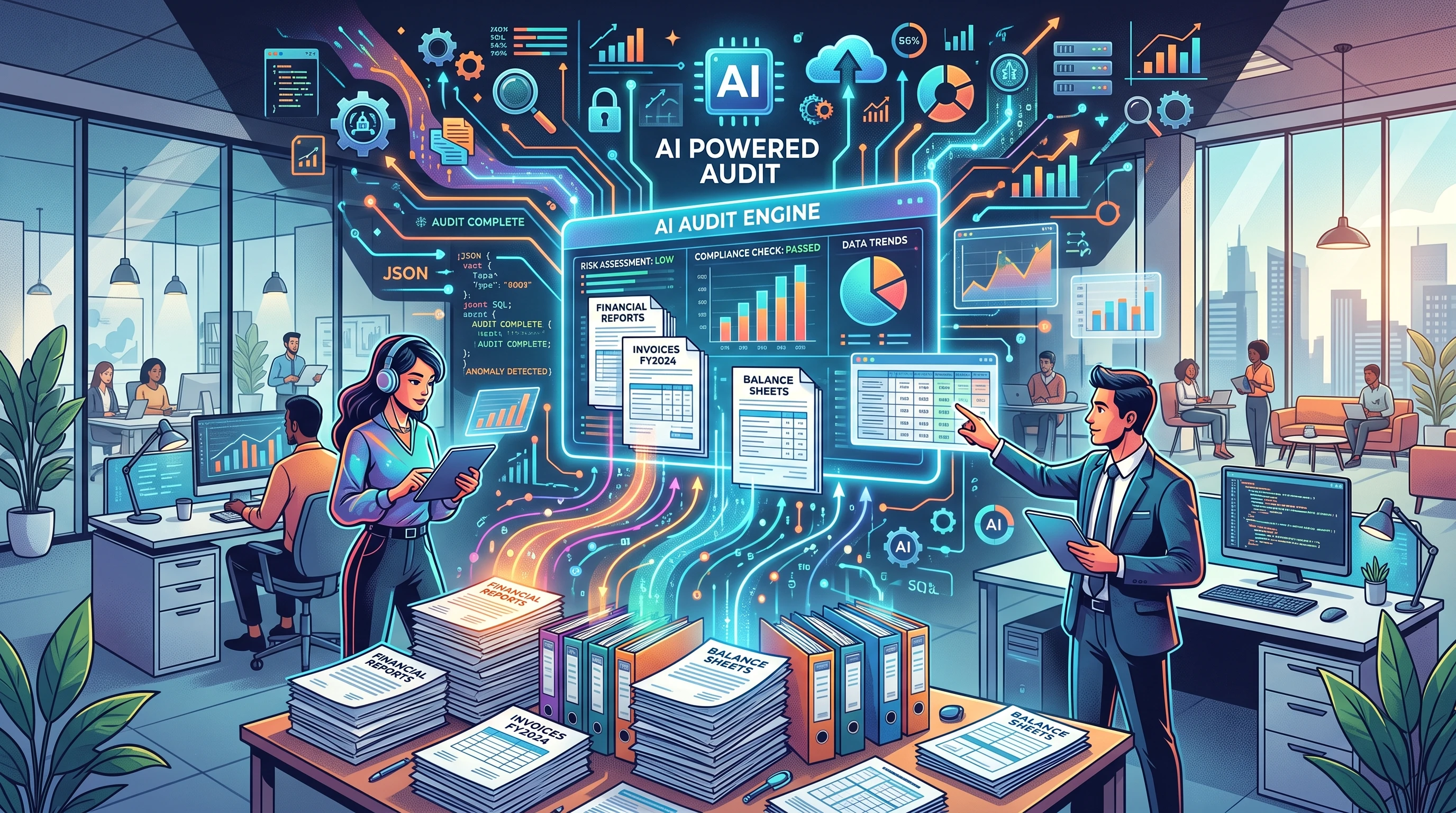
Why Businesses Are Turning to AI for Internal Audits
Over the past decade, businesses have looked for smarter ways to manage risk and regulatory demands. Internal audit is a big part of this. Internal audits help organizations spot weaknesses, uncover fraud, test internal controls, and keep up with shifting requirements. AI fits into this picture by offering a way to process massive volumes of data, detect subtle errors or unusual trends, and give auditors actionable insights with less manual effort.
Global studies, such as those from Deloitte and PwC, show that more companies are adopting AI in internal audit tasks every year. This popular trend reflects how audit teams want to boost accuracy and efficiency without increasing workloads. AI is especially useful for reviewing financial transactions, flagging suspicious patterns, and monitoring compliance rules in real time. As a result, internal auditors can focus more on strategy, judgment, and communication, leaving repetitive analysis to technology.
How AI Changes the Internal Audit Function
AI provides new ways to manage risk and support decision-making at all levels of a business. I’ve seen companies use AI-driven audit tools to automate the review of financial records, vendor payments, and contracts so that nothing slips through the cracks. Here are some of the most valuable changes that come from using AI in internal audits:
- Real-Time Analysis: AI can scan and analyze data as it is generated, flagging discrepancies fast and allowing immediate response instead of waiting for quarterly checks.
- Deeper Insights: Algorithms can uncover trends, outliers, or patterns that human auditors may overlook when handling thousands of documents each month.
- Consistency: Machine learning ensures the same rules and logic are applied every time, reducing the risk of bias or errors caused by manual work.
- Scalability: AI tools handle increasing volumes of records without the need to hire more staff or spend countless hours reviewing each document.
AI doesn’t replace auditors. Instead, it supports them by handling repetitive work, crunching data, and providing clear reports for human review and action. This partnership allows teams to improve the quality and reliability of their audits.
Getting Started: Key Steps to Implementing AI in Internal Audit
Transitioning to AI-powered audits requires planning, solid technology, and a clear understanding of what you want to achieve. Based on my work with clients, here are the most important steps to begin the process:
- Identify What Needs Automating: Start by mapping out tasks that take up most of your audit team’s time, such as reconciling accounts, monitoring transactions, or checking compliance documents.
- Select an AI Tool: Choose software that fits your business needs. Many offer features such as natural language processing, automatic anomaly detection, and workflow automation.
- Integrate with Current Systems: Connect AI tools with your existing accounting, ERP, or document management systems. This setup helps data move smoothly and securely between platforms.
- Test on a Small Scale: Run a pilot program with a few data sets. This lets you measure how well the AI tool works and gather feedback from your audit team.
- Train Your Team: Make sure everyone understands how to use AI tools and how algorithms reach their conclusions. This is really important for building trust and transparency.
- Scale Up: Once you’re confident in the tool’s performance, you can begin rolling it out for broader use across business units and processes.
Focusing on gradual adoption helps businesses avoid major disruptions and gives audit teams the chance to learn new skills along the way.
Common Applications of AI in Internal Audit
AI can make nearly every part of internal audit—from planning to reporting—better and faster. Here are some popular ways AI steps up audit functions in my experience:
- Continuous Monitoring: AI bots can track transactions and activity logs around the clock to catch irregularities instantly. For example, they can watch for duplicate payments, unusual timing, or unexpected access by employees.
- Risk Assessment: Machine learning models can quickly score levels of risk by analyzing factors such as transaction size, vendor history, and past audit results. This helps teams prioritize audit work where it matters most.
- Document Review: Natural language processing tools review contracts, emails, or reports to spot missing clauses, compliance failures, or legal exposure. This saves hours of manual reading and reduces oversight risk.
- Invoice and Expense Review: AI can match invoices with purchase orders, detect fake receipts, and identify policy breaches in employee expenses.
- Regulatory Compliance: AI-powered systems review records for compliance with standards like SOX, GDPR, HIPAA, or industry-specific requirements without having to go through each item by hand.
- Fraud Detection: Advanced algorithms flag subtle signs of fraud, such as repetitive small payments to new vendors or inconsistent entries across departments, even if the amounts look normal at first glance.
Things to Consider Before Using AI in Internal Audits
Like any major change, using AI for internal audit functions brings its own set of challenges. I’ve helped clients tackle these issues and can share some practical advice for getting through common hurdles:
- Data Quality: AI is only as good as the information it receives. If data is messy or incomplete, the results will be skewed. Setting up solid data governance makes a big difference.
- Explainability: Business leaders and auditors need to trust how AI makes decisions. Choosing tools that offer clear, understandable reports goes a long way in building trust.
- Integration: Legacy systems might not always play nice with AI tools right away. Planning out how systems connect saves headaches in the long run.
- Change Management: Teams need to be comfortable with new technology. Training and regular communication smooth the move from manual work to AI-supported audits.
- Security and Privacy: Keeping audit data private and secure is crucial. Only allow approved people access to audit information and keep systems updated with the latest security standards.
Data Quality
Business records might be scattered across platforms and exist in different formats, which can throw even the smartest AI for a loop. Before rolling out any new system, taking the time to clean and bring your data together ensures the AI receives what it needs for accurate results. The best launches often begin with a single, carefully chosen dataset.
Explainability and Transparency
Some AI tools can act like a “black box,” making decisions users cannot easily figure out. I always recommend selecting tools with readable logic or visual reports that auditors and managers can understand. This helps everyone have confidence in the process and explain the outcome to regulators or senior leadership if needed.
Integration with Current Systems
Most businesses already work with software like ERP, accounting, or workflow management tools. AI audit software that can sync up with these systems saves time and avoids double entry. Test software compatibility on a small pilot before committing companywide resources.
Change Management and Adoption
People are often hesitant to learn new systems or trust results produced by an algorithm. I’ve seen success when training starts early, support is available, and teams are encouraged to try AI tools alongside their usual methods until everyone feels comfortable. Set clear expectations about what the technology can and can’t do.
Security and Privacy
Audit records often contain sensitive personal or company data. Ensuring access is tightly managed, activities are logged, and AI tools operate within privacy laws helps protect against leaks or compliance misses.
Every business operates differently, but thoughtful planning ahead of time helps audit teams get more value out of AI in internal audits.
Advanced AI Features for Internal Auditors
When you’ve got the basics down, you can check out advanced AI features that set internal audit work to a whole new level. Here are a few I’ve found particularly valuable:
Predictive Analytics: AI can forecast where risks might appear based on previous trends, seasonal patterns, or even outside factors. This way teams can adjust controls ahead of time. For example, a retailer might notice more returns after certain promotions, prompting a focused review whenever that promo goes live.
Process Mining: This function automatically records how business processes really work instead of how people imagine. AI tools track step-by-step movements through systems, highlighting gaps, repeated roles, or unnecessary handoffs that auditors can address quickly. I’ve worked with teams who brought in process mining to upgrade their pay cycles and tighten payroll operations.
Natural Language Processing: AI can check more than just numbers. It can put to work written records—contracts, policy documents, or meeting notes—to look for tone, intent, or potential compliance risks. This speeds up heavy document reviews, like due diligence in mergers or compliance checks.
Intelligent Sampling: Instead of picking random samples, AI highlights the transactions with the highest risk or oddest patterns, making audits smarter and more focused. Teams spend time where it counts instead of sifting through low-risk data.
The Real-World Impact of AI-Powered Internal Audits
In practice, the impact of AI on internal auditing shows up in real, measurable improvements in workflow and results. One client I worked with—a midsized manufacturing company—used AI to scan their full payment records daily. Just within a month, their fresh system caught billing errors and double payments worth thousands that earlier manual reviews had missed. The team could now focus on fixing bigger-picture control problems and saved both time and money.
Another case is a bank that applied AI tools to process compliance records and spot potential regulatory breaches in just hours, instead of dragging out reviews for weeks. This faster response not only avoided fines but also built stronger ties with regulators.
- Time Saved: Routine checks that once took 30 or more hours per audit cycle can be done in less than an hour.
- Better Accuracy: AI wipes out much of the human error, giving audit teams more confidence in their results.
- Stronger Controls: More regular and all-in-one reviews mean issues get caught early, lowering risk over time.
Frequently Asked Questions
Business owners and audit pros usually have similar questions before getting into AI for internal audit. Here are some frequent ones, plus my answers:
Question: Does AI get rid of the need for human auditors?
Answer: No. AI is a tool that supports auditors by speeding up data checks, spotting unusual trends, and automating repetitive tasks. Human experience, judgment, and communication are still crucial for planning audits and taking action based on results.
Question: Which businesses benefit most from AI audits?
Answer: Any business with big data volumes benefits, from banks and manufacturers to retailers and service pros. Fast-growing companies or those in tightly regulated fields often see even bigger payoffs.
Question: Does it cost a lot to add AI for internal audit?
Answer: Some tools need a big upfront spend, especially for large rollouts. But many AI audit solutions are now subscription-based, making it easier to start small and scale up as you need.
Question: How do I ensure AI results can be trusted?
Answer: Regularly double-check AI outputs, keep your data sources current, and use tools with clear algorithms. Bringing auditors into regular tool checks helps reliability and trust.
Wrapping Up: Key Takeaways for Modern Internal Auditors
AI has made a real difference in the way businesses handle internal audits. By automating routine analysis, enabling real-time monitoring, and flagging risks before they grow, AI saves teams both time and money. The smartest results come by planning ahead, choosing the right tools, and lifting up your teams as things switch up. From small companies to larger enterprises, testing out AI in internal audits opens new paths to smarter, faster risk management. Start with well-defined goals, get your team involved, and keep fine-tuning your approach as your company grows and technology moves forward.
Leave a Reply