How To Sell Your Car Without Falling Into A Scam And Lose Everything Including The Car
 Selling a car sounds pretty simple, but as soon as you start getting calls or messages, you realize things can get pretty sketchy. There are real risks out there—scams that could steal your money, personal info, or even the car itself. But with the right info and a few smart moves, you can sell your car and keep your wallet and your car safe.
Whether you’re upgrading, downsizing, or just ready for something new, it’s super important to understand how to protect yourself throughout the selling process. The last thing anyone wants is to fall for a scam and lose both the car and the money you worked hard for.
I’m breaking down everything I wish I knew before I sold my first car, so you’ll have a step-by-step plan to protect yourself, get a legit buyer, and avoid the most common tricks scammers use. If you’re ready to part ways with your car and want a smooth, safe sale, keep reading for the all-in-one guide.
Step 1: Prepare & Protect Your Information
Safety starts way before you even meet a buyer. One of the sneakiest ways scammers get people is through the info you share, both online and in person. Before you post that ad, make sure you’re not oversharing.
What To Remove and Protect:
- Take your personal stuff out of the car, like paperwork, mail, insurance cards, and anything with your address or ID info.
- Delete saved phone or GPS addresses from the vehicle’s infotainment system if your car has one.
- Use the car’s VIN number in your ad, but avoid posting a full photo of your registration or title document.
Tips for Your Online Listing:
- List your general area or city, not your complete home address.
- Use a secondary phone number or a Google Voice number if you want extra privacy and separation between your sale and personal life.
Limiting personal details from the beginning will keep scammers from targeting you in the first place. Reducing oversharing goes further than most people think. Regularly clean your car between showings—keeping it uncluttered makes a good impression and avoids accidentally showing off left behind mail or paperwork.
Step 2: Set Up Safe Communication With Potential Buyers
Almost all scams start with a sketchy message, weird request, or someone wanting to take the conversation off-platform. Knowing how to spot these signs can save you from a lot of heartache.
Red Flags to Watch For:
- Buyers who refuse to talk on the phone and insist on texting only.
- Strange grammar, oddly formal messages, or replies that seem copy-pasted.
- People rushing the process or telling you they’ll pay the full price without seeing the car.
- Links to websites claiming they need to “verify” your listing—often these steal your info.
Safer Steps to Take:
- Use established sites like Auto trader, Cars.com, Facebook Marketplace, or Craigslist for the first few rounds of conversation so there’s a record.
- Never click links sent by buyers or enter personal info into outside websites.
- Get the buyer’s full name, a real phone number, and, if possible, a driver’s license number before you meet up.
If anything seems off, don’t be afraid to step away. Solid, real buyers won’t mind these precautions, and it’s always better to take your time than to rush for a quick sale and fall into a scam. Be prepared for people who “ghost” or vanish—this happens to everyone and doesn’t always mean a scam is afoot. Just move on to the next inquiry and keep your standards high.
Step 3: Secure Your Test Drive Setup
Test drives are often the riskiest part of selling your car. The wrong move during a test drive could end up with your car missing for good. Here’s my go-to method for staying safe.
How to Prepare:
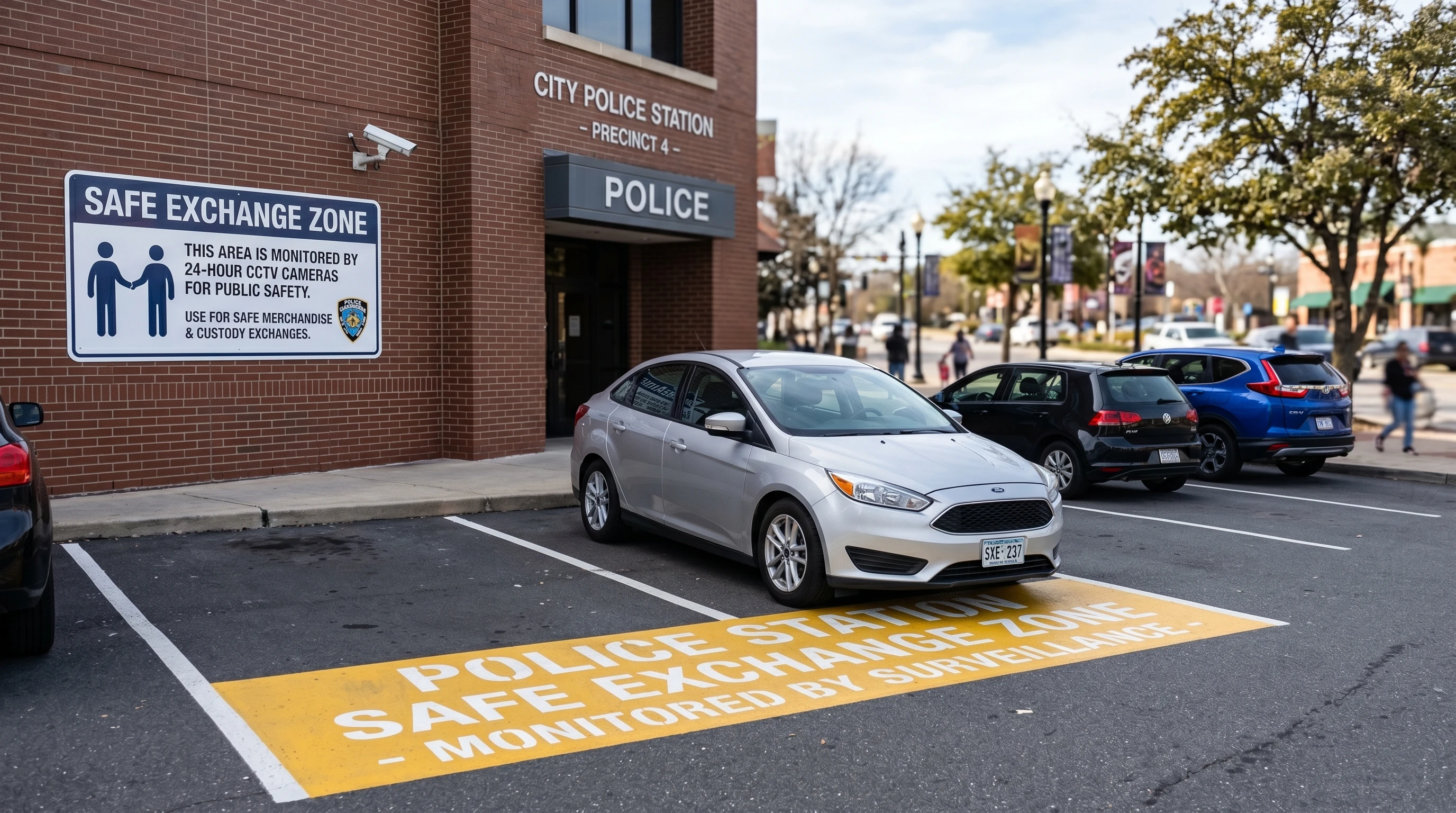
- Meet up in a public area, like the parking lot of a busy shopping center or a police station’s safe exchange zone. Many police departments now have dedicated spots for online sale meetups to smooth the way for both buyers and sellers.
- Never let a stranger drive off alone. Always ride in the passenger seat, or bring a friend with you. It adds an extra set of eyes and gives both you and the buyer some peace of mind.
- Ask to see and hold a copy or quick photo of their driver’s license, and if your region requires, proof of insurance. If they arrive in their own car, jot down or take a photo of their license plate. These small steps cut down on risk and set expectations for a real transaction.
Pro Tips for Extra Safety:
- Tell someone you trust where and when you’ll be meeting; share the buyer’s information before heading out.
- If anything feels wrong, trust your instincts and cancel the meetup. There’s no harm in rescheduling to a safer location or time.
For added protection, you can schedule your meeting during daylight hours. Nighttime meetups make it easier for things to go wrong, and buyers should respect your preference for daytime. If a buyer refuses to meet during safe hours, that’s a sign to move on.
Step 4: Handle Payment Like a Pro
The most important part of any car sale is getting paid safely. Not every payment method is equally secure, and understanding which ones protect both you and the buyer is key. Here’s what to choose and what to avoid.
Best Payment Options When Selling Your Car:
- Bank to bank wire transfer: This method is safe when done in person at your bank. Double-check with your bank that the funds have cleared and are permanent before handing over the keys or paperwork.
- Cash in person, at a bank branch: This old-school approach is my favorite. Meet the buyer at your own bank, let the teller verify and count the bills, and deposit them on the spot.
- Certified cashier’s check, verified at the issuing bank: Accompany the buyer to their bank, have the check issued on the spot, and ideally deposit it right away.
Payment Methods to Avoid:
- Personal checks; they can bounce and leave you with no money or car.
- Money orders; scammers can fake them easily.
- Apps like Venmo, Zelle, or PayPal for big sums; these are meant for trusted contacts and don’t offer protection for large sales.
- Any payment involving a “shipper” or a buyer who overpays and asks for money back. This is a popular and ongoing scam.
Never let the car out of your hands until your bank gives you the thumbs up that the payment has cleared and cannot be reversed. Stick to these methods—don’t feel pressured to accept complex trades or odd requests. If a buyer gets pushy, that’s a sign to walk away.
Step 5: Handle Paperwork the Right Way
Paperwork can trip up even experienced sellers. Missing steps can leave you stuck with tolls or tickets, or even legal problems if the buyer never registers it. Here’s a simple checklist to protect yourself after accepting payment.
Don’t Forget These Documents:
- Vehicle title (hand over and sign at the DMV or with a notary—avoid parking lot signings for your protection and the buyer’s)
- Bill of sale (download a free template from your state’s DMV website; both you and the buyer sign and keep a copy)
- Release of liability form (file this with the DMV immediately after the sale; it legally severs your connection with the car)
Extra Steps I Take:
- Remove your license plates if your state requires it. Immediately cancel your car insurance after the sale becomes official to avoid being charged for someone else’s driving.
- Never leave any blank spots on the signed paperwork; this keeps your sale details safe from later modifications.
- Double-check that all forms are signed completely and accurately. Ask for a quick photo of the buyer’s ID—it’s a helpful backup for your records.
Different states have their own small rules, so check your DMV’s website early so you know exactly what’s expected. Some locations even offer instant digital releases—it pays to look these options up in advance.
Step 6: Know the Most Common Car Sale Scams & How to Avoid Them
I’ve run across plenty of clever scams while selling cars. By entering the process informed, you can dodge all of them. Here are the biggest ones you should look out for:
Fake Payment Scam:
- The “buyer” sends a fake cashier’s check or money order and hopes you’ll hand over the car before your bank confirms the check bounces.
- Solution: Refuse to release your car until the bank verifies the money is real and permanently in your account.
Shipping/Overpayment Scam:
- Someone claims to buy for a family member or client, sends you extra money by check, and demands you wire the rest to a “shipping company.” Almost always, the check is fake.
- Solution: Don’t accept overpayments. If a buyer wants “shipping” arrangements, walk away safe and sound.
Phishing & Info Scams:
- Prospective buyers ask for private info (address, driver’s license, login credentials) under the guise of “verifying” you or your listing. This is just a trick to steal your identity.
- Solution: Only share personal info with the buyer, face-to-face, when absolutely necessary for paperwork.
Title Jumping Scam:
- The “buyer” resells the car before they’ve registered it in their name. If something bad happens, you could still be liable.
- Solution: Always submit a release-of-liability form with your DMV right away. Make sure the buyer wants to put the registration into their own name before completing the sale.
Stay skeptical if a deal sounds “too good to be true” or the buyer tries to rush through every step. These are huge red flags. No matter how nice they seem, holding firm to your safe-selling rules always pays off.
Common Questions & Troubleshooting
Can I sell my car if I still owe money on it?
Yes, but you’ll need to do a bit of legwork. Get a payoff amount from your lender, then arrange to meet the buyer at your bank. Both of you will pay off the loan together, with the bank transferring the title to the new owner. Only surrender the car after your lender confirms you’re paid in full.
What if the buyer asks for a car history report?
Lots of buyers want to check the Carfax or Auto-Check for themselves, which is totally normal. Only use real, legitimate sites for these reports—be suspicious if someone sends you a random website link. I recommend supplying your own Carfax report as part of your listing. It builds trust and saves both parties time.
Are there any good places online to sell my car safely?
- Some of the safest and most popular sites include Autotrader, Cars.com, CarGurus, Craigslist, and Facebook Marketplace. For the lowest hassle, instant-offer dealers like Carvana, CarMax, or Vroom are decent choices, though their offers are often a bit under private market value. When posting to these platforms, always follow their recommended safety measures, including verified accounts and secure communications. Try listing on more than one site for extra reach.
Is meeting at home a bad idea?
Generally, I avoid home meetings except for final paperwork and only after I’ve met the buyer, checked their ID, and feel comfortable. For initial test drives or discussions, public places are a must. Even if your neighborhood is quiet, buyers should be fine meeting in a neutral, safe space.
What should I do if a buyer tries to negotiate aggressively in person?
Stay calm and respectful. Stick to your minimum price, and know that it’s fine to politely end the conversation if someone gets pushy or starts making you uncomfortable. It’s your car and your terms—the right buyer will respect your position, and it’s safer to walk away than to take a deal that feels rushed or fishy.
Final Tips & Next Steps
Staying alert through the whole process can make selling your car way less stressful and much more profitable. You don’t have to mistrust everyone, but paying attention to small details, following official channels, and being patient are what keeps most sellers out of trouble.
Your Action Plan:
- Prep your car and clean out any personal items or sensitive info before posting your ad.
- Communicate with buyers safely and insist on meeting in public, well-trafficked places, especially for test drives.
- Only accept payment by verified, traceable methods. Don’t release the car until funds are secure in your bank account.
- Take care with paperwork. Don’t leave blanks and always file a release-of-liability form as soon as you sell.
- If something doesn’t feel right, just walk away. You’ll always track down another buyer.
If you have more questions, funny sale stories, or run into a tricky buyer situation, ask in the comments below. I’m happy to share more advice or help you figure out what to do next. Here’s to a safe sale and a smooth path to your next ride!
Leave a Reply