How To Build A Second Passive Income For Retirement
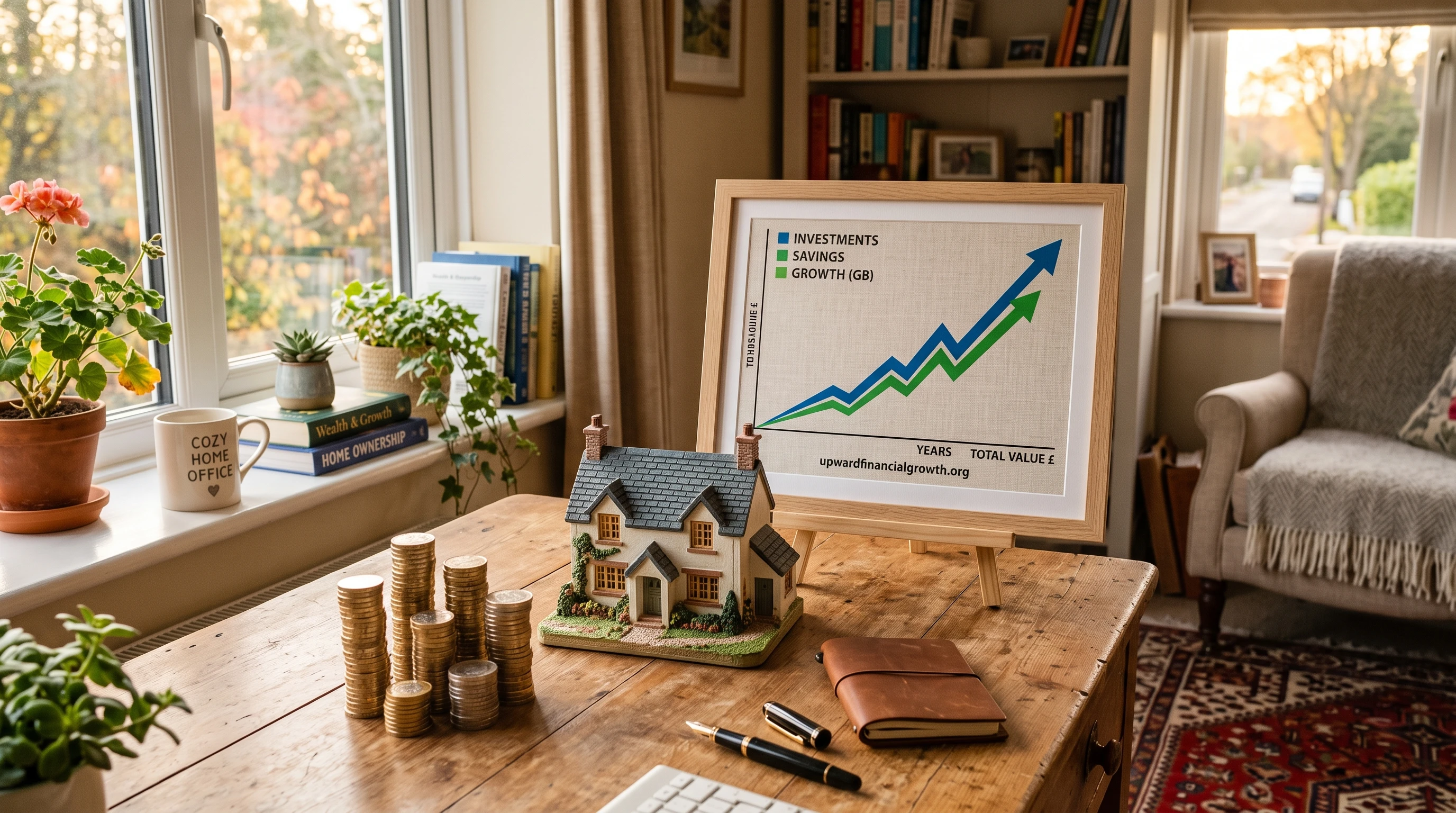 Building a second passive income can really help give a boost to financial security during retirement. Pensions and social security alone may not always cover all my expenses or provide the lifestyle I want. Relying on only one income stream often feels risky, especially with changing markets and unexpected costs. I’ve found that having a second source of income, especially one that works while I sleep, gives me more freedom and peace of mind about the future.
A lot of people wonder where to start. The good news is, there are more options today than ever before; real estate, online businesses, investments, creative royalties, and even some side hustles that can eventually become hands off sources of income. Some may take effort to set up, but keeping my long-term goals in mind keeps me motivated. This super detailed guide explains step by step how I approach creating a second passive income, with practical examples, ideas, and my own tips that might help you plan for your retirement too.
Step 1: Get Clear About Your Passive Income Goals
Every good plan starts with a clear goal. I ask myself what I want from my second passive income. Am I aiming for extra spending money, full financial independence, or simply more security?
Questions I Ask Before Getting Started:
- How much monthly income do I ideally need from my second stream?
- What level of involvement and time commitment fits my lifestyle right now?
- Am I willing to take on some risk, or do I want very stable returns?
- How soon do I want the income to begin; is it in two years, or for when I retire in ten or twenty?
- What do I enjoy, or where do I have existing skills?
My answers usually point me to options that feel realistic and motivating. For example, if I’m willing to put in a few hours a week now for bigger rewards later, I might look at building a small online business or investing in rental property. If I want hands off options, dividend stock investments or peer to peer lending are usually better.
Step 2: Review Your Resources and Constraints
After setting my goals, I take stock of what I already have and what feels possible. I consider how much money I can invest without impacting my daily needs, the amount of spare time I truly have each week, along with my existing skills and connections. For example, if I have some savings that I won’t need for a few years, I can put them toward investments or property. If my schedule’s already packed, I focus on more automated options instead of projects that require constant attention.
Checklist for Assessing My Situation:
- Cash savings I can afford to invest
- Free time per week for initial setup
- Relevant experience (such as writing, managing rental property, investing)
- Access to expert advice, mentorship, or education
This honest look at my life keeps me realistic and helps me avoid feeling overwhelmed later. I also think about my risk tolerance. Am I prepared for periods when income dips, like a vacant rental or a slow month for a website? Making sure my emergency fund is in place helps cushion any surprises and keeps the adventure manageable.
Step 3: Explore Different Passive Income Options
I like to check out a variety of passive income ideas, comparing what fits my goals, resources, and comfort level with risk. Here are some options I’ve considered or tried:
Popular Passive Income Streams:
- Dividend Stock Investing. Buying shares in companies that pay regular dividends can produce steady income over time, though values can fluctuate with the market.
- Real Estate Rentals. Owning residential or commercial property, renting it out, and receiving monthly rental payments. This requires some upfront work and maintenance but can pay off long term.
- Real Estate Investment Trusts (REITs). Investing in REITs lets me benefit from real estate income without having to directly manage a property myself.
- Online Business or Blog. Building a website that earns through ads, affiliate marketing, or selling products. Some online businesses become mostly passive with time and automation.
- Peer to Peer Lending or Crowdfunding. Investing money in loans to individuals or businesses for interest payments. Platforms often handle the details.
- Royalties from Creative Work. Writing a book, producing digital art, or licensing music can bring ongoing royalties, sometimes even years after the work is finished.
- Automated eCommerce. Selling print on demand products or dropshipping items can scale well once set up.
- Digital Course or eBook Sales. Creating education materials or guides on topics I know about, then selling them through platforms that handle delivery and payments. After the initial work to put everything together, this income can keep rolling in for years.
- Mobile App Revenue. If I have a tech background or can team up with a developer, making a simple mobile app and monetizing through ads or upgrades can add variety to my passive income sources.
I focus first on a couple that really match my skills, financial situation, and desired involvement level. Then I keep others on a “someday” list for future growth. Spreading out my options means less risk if one stream has a less than stellar year.
Step 4: Choose Your First Passive Income Project
With the options narrowed down, I pick one to start with. Focusing on one project gives me more experience and a higher chance of success. For me, learning from my first venture helps make my next one easier. Picking something that excites me helps me stick with the plan.
How I Make the Decision:
- Compare potential earnings versus required time and investment
- Size up the risk involved and how much volatility I’m comfortable with
- Consider my existing knowledge or network
- Decide whether I want (or need) to partner with someone, or go solo
I try to choose something I’m genuinely interested in, so sticking with it feels easier. For my own passive income, I started with dividend stock investments because I already had a basic understanding of the market from reading financial news, and it matched my comfort level for risk. Some friends have picked rental properties because they like hands on asset management, while others choose to kick things off with selling digital courses using their professional expertise.
Step 5: Make a Simple, Actionable Plan
Every passive income stream starts with a plan, even if it’s just one page. I like to break it down into a short checklist of steps. Having clear actions makes it much easier to actually get started. Even a scribbled timeline on paper does the job!
Example Plan for Starting a Rental Property:
- Research local real estate markets and compare typical rents
- Determine my budget and get pre approval from a lender if needed
- Work with a real estate agent to tour properties
- Run numbers using an online rental calculator (costs, taxes, expected rent)
- Make an offer and handle paperwork
- List the property for rent and screen tenants
- Set up ongoing management: hire a manager or use property management apps
Breaking it into small steps keeps me moving forward, even when something feels big. I adjust as needed based on what I learn along the way. For an online business, my checklist might include buying a domain, setting up a website, publishing initial content, and joining affiliate programs. Small wins with each step keep the adventure fun.
Step 6: Set Up Systems for Automation
Passive income should mostly run itself after the initial setup, or else it’s just another part time job. I’m always on the lookout for automation tools, services, or processes that minimize my involvement. This is what turns a side project into true passive income.
How I Automate My Passive Income Streams:
- Automatic dividend reinvestment. Setting my brokerage account to reinvest dividends, so my portfolio grows without my daily input.
- Property management services. Hiring a company to handle tenant issues, rent collection, and repairs.
- Email marketing and content scheduling. Using online tools to schedule blog posts, emails, or social media ahead of time.
- Online sales automation. Using services that handle payment, delivery, and customer support for digital products or print on demand goods.
- Payment tools. Setting up direct deposit or automated invoicing for clients or buyers.
This frees up more of my time while still letting the income stream grow. For non digital projects, I look for ways to automate reminders and maintenance. For instance, I use smart home devices for rental properties that alert me before a small issue becomes a bigger problem.
Step 7: Monitor Progress and Tweak When Needed
I keep a simple tracker for each passive income stream, whether that’s a spreadsheet, app, or notebook. Each month, I check numbers and note what’s working. Sometimes, a little adjustment improves results or prevents small problems from turning into big ones.
My Favorite Metrics to Track:
- Monthly cash flow (income minus any ongoing costs)
- Time spent (is involvement going up or down?)
- ROI (return on investment) each year
- Customer or tenant satisfaction if applicable
When something isn’t performing well, it might be time to mix it up; maybe invest elsewhere, automate more, or try a different approach. Over time, these small adjustments usually add up to bigger results. It also helps me spot and correct mistakes early, so nothing derails my plans.
Dealing With Common Roadblocks
I’ve run into a few common challenges while building my second passive income. Knowing what to expect helps me stay ready and avoid surprises.
Typical Issues and How I Handle Them:
- Lack of time: I choose projects with easy automation, or hire help when it makes financial sense.
- Unforeseen expenses: I set aside a safety fund for things like repairs or market downturns, and avoid over committing my resources.
- Losing motivation: I connect with a community, find an accountability partner, or remind myself of my end goals (such as more travel or less worry about bills).
- Market change: I switch things up by diversifying my income streams so if one dips, another can make up the difference. I stay informed and avoid getting emotional about short term market news.
- Analysis paralysis: Sometimes, there are just too many options or conflicting advice out there. In those cases, I set a time limit for research, then jump in and adjust on the fly. There’s no perfect method, and action beats endless thinking.
Addressing these roadblocks keeps me going, even when things feel slow or overwhelming. I also ask for help when I’m stuck, either from pros or from online communities who’ve seen it all before. Collective wisdom is gold.
Answers to Common Questions
How much money do I need to get started?
This really depends on the type of passive income. For dividend stocks or REITs, I started small, sometimes as little as $50-$100 per month. Real estate usually takes more, often a 10% to 20% down payment on a property, but fractional investments or syndicates can require less. Many online businesses can be kicked off for just the cost of a website and some basic tools. If I’m on a tight budget, I look for low cost digital ideas where sweat equity is more important.
How long will it take to see results?
Some passive income projects take time to really pay off. Investments can grow slowly at first, and a website may need months to attract traffic, but a rental property often starts producing income as soon as a tenant moves in. I’ve found that patience and consistency pay off, and tracking small wins helps keep me on track. Staying the course, even in slow stretches, is what sets apart eventual success from projects that fade away.
What if I’m not an expert in finance or real estate?
I didn’t have a finance background either. Learning as I go has helped me build confidence, and there are plenty of free resources, online courses, and forums full of people willing to answer questions. Careful research helps me make more informed decisions, and I never invest in something I don’t understand. Curiosity and a willingness to learn are bigger assets than any degree.
Can I build more than one passive income stream?
Absolutely. Many people, including myself, find that once their first project is up and running, starting a second or even a third becomes much easier thanks to the lessons learned. I focus on one until it’s running smoothly, then look for ways to mix in some variety. Diversifying keeps things interesting and cushions against unexpected stumbles in any single area.
Tips for Staying Consistent and Motivated
- Set small, achievable goals for each week or month, rather than aiming for everything at once
- Revisit my reasons for building passive income, especially during slow periods
- Track and celebrate every bit of progress, no matter how small
- Connect with others on the same adventure for moral support and new ideas
- Remember that education pays off; a little research now can save a lot of frustration later
- Switch things up if I start losing steam, even if it means taking a short break or trying a new approach
- Share my wins and losses with friends or an online group for extra accountability and fresh motivation
Building a second passive income for retirement doesn’t have to be overwhelming or require a huge upfront investment. By choosing an option that fits my resources, planning realistic small steps, and sticking with it through ups and downs, I’ve been able to grow reliable income streams that help me feel ready for the future. It’s all about steady progress and not being afraid to ask for advice.
Your Action Steps:
- Set a clear, specific goal for your passive income; know how much, how soon, and for what purpose
- Assess your time, money, and skills so you can pick the most realistic option
- Choose one passive income project and make a simple, actionable plan to get started
- Automate as much as possible
- Review your progress monthly and make adjustments as needed
Getting started is the hardest part. Small, steady progress adds up to real security, and even extra freedom, by the time retirement comes around. The path to a second passive income isn’t always easy, but the long term peace of mind and flexibility make the effort worthwhile. If you’re feeling nervous, remember that countless people started with just one small step—and you can, too.
Leave a Reply