All Those Environmentally Friendly Energy Equipment Need Mineral Which Is Not Environmentally Good
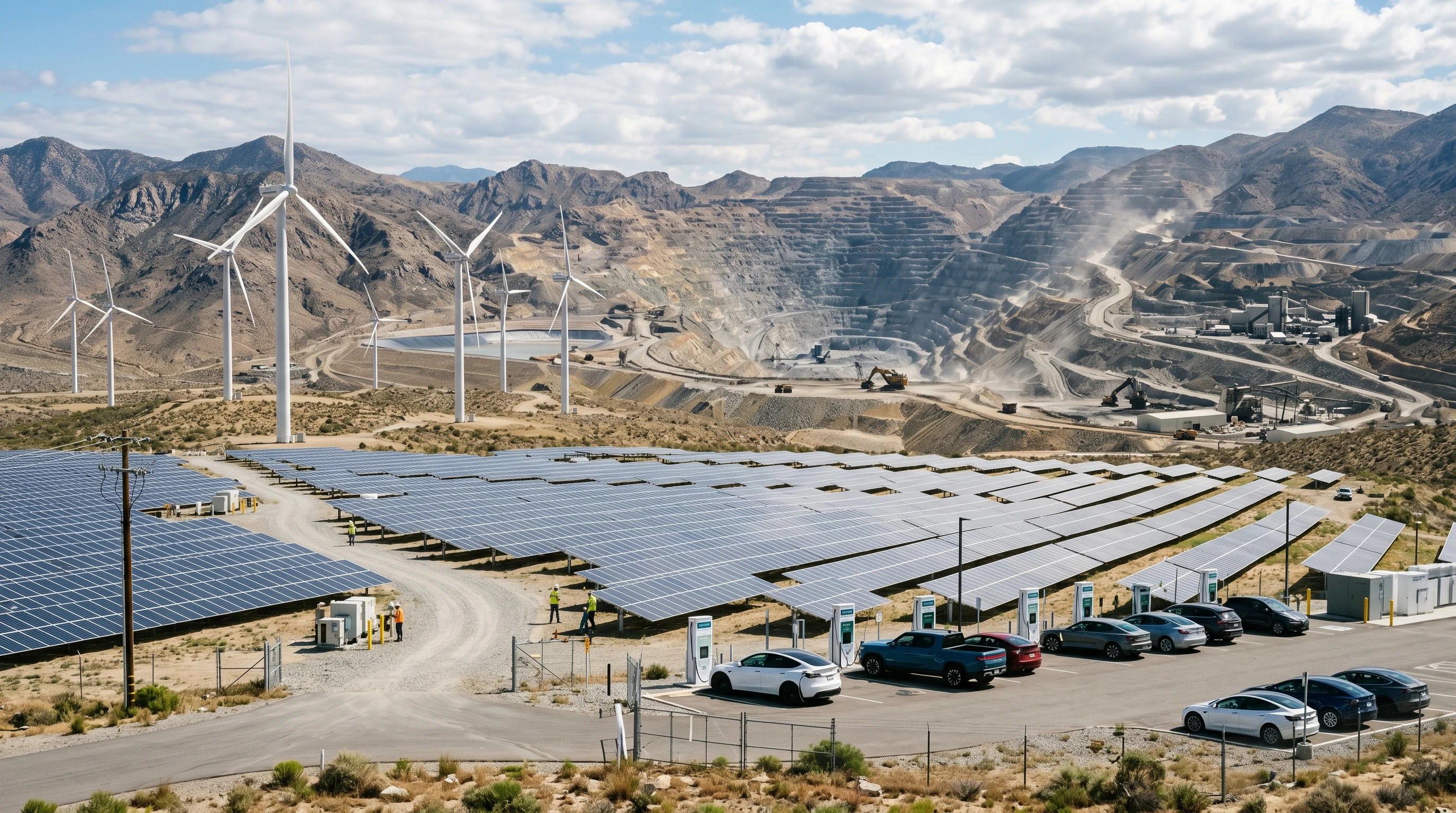
Environmentally friendly energy technology is often seen as a clean way forward, helping us move away from traditional fossil fuels. Solar panels, wind turbines, and electric vehicles promise less pollution and lower carbon emissions. Under the surface, though, these tools depend on a wide mix of minerals, and mining them is not always as eco-friendly as the equipment itself. I want to take a closer look at what goes into making these green technologies and explore the real impact the mineral supply chain has on the environment.
The Crucial Role of Minerals in Clean Energy Equipment
Every time I look at a solar panel, think about an electric car, or watch a wind turbine spin, I know there are major hidden costs in their creation. These devices need specific metals to work well. For example, copper, lithium, nickel, cobalt, and rare earth elements each play a unique role in making clean energy possible:
- Solar panels use silicon, silver, and sometimes cadmium and tellurium for their cells.
- Batteries in electric vehicles and energy storage systems rely on lithium, nickel, manganese, graphite, and cobalt.
- Wind turbines require copper for wiring and rare earth metals like neodymium and dysprosium for efficient magnets.
- Electric vehicle motors are built with rare earth elements and aluminum.
Many people might be surprised to learn that a typical electric car battery can use up to 15 kilograms of cobalt and close to 14 kilograms of lithium per vehicle. Wind turbines for large farms often contain hundreds of kilograms of rare earth magnets, while a single square meter of a silicon solar panel can need around 20 grams of silver. As demand for clean tech increases, the pressure on these minerals is rising quickly. In addition, new developments in battery technology and smart grid systems are driving up the need for even more specialty metals such as vanadium and manganese, thus broadening the types of minerals that must be mined or sourced globally.
How Mining for Clean Tech Minerals Impacts the Environment
Producing minerals for energy technology is a big job. It can be tough on the earth. Mining is the first step, and it uses large areas of land, significant water, and energy. It leaves behind waste and increases the risk of pollution. Here’s how the process can cause problems for both nature and people living nearby:
- Land disruption: Mining often changes the landscape permanently. Open pit mining for lithium or copper, for example, destroys topsoil and forests. The deforestation that results from mining operations, especially when done in tropical zones, removes vital carbon sinks and habitat for wildlife, amplifying broader environmental challenges.
- Water use and contamination: Getting lithium from brine or extracting cobalt from ore involves lots of water and sometimes toxic chemicals. This can pollute rivers and groundwater. For instance, acid mine drainage, a result of sulfide minerals exposed to air and water, can have long-lasting impacts on freshwater ecosystems and local communities relying on these water sources.
- Carbon emissions: Mining, transporting, and processing ores all require fuel and electricity, contributing to greenhouse gas emissions.
- Toxic waste: The tailings, the leftovers after the mineral is taken, often contain heavy metals and acids, which can leak into the environment.
When I study reports from the U.S. Geological Survey and the International Energy Agency, I see that the demand for these minerals is growing, and so are the environmental challenges. For example, lithium extraction in South America’s “Lithium Triangle” (covering parts of Chile, Argentina, and Bolivia) is causing both water shortages and ecosystem stress. Cobalt mining in the Democratic Republic of Congo has led to toxic runoff and serious health problems for communities nearby. Experts from environmental organizations like Earthworks and Amnesty International have especially raised concerns about labor practices and the health risks tied to these operations (source).
In addition, shifting political situations in mineral-rich regions can lead to rapid changes in supply, sometimes resulting in environmental shortcuts being taken to meet skyrocketing demand. This, in turn, increases the risks of illegal mining and environmental neglect, with long-term consequences for both nature and people.
What Metals and Minerals Are Used in Major Energy Technologies?
Building cleaner energy tools is not as simple as picking any metal off the shelf. Some minerals are prized for their unique properties and efficiency, making them almost impossible to swap out in the short term. As carbon-neutral goals gain traction worldwide, the spotlight is now on finding ways to make the mining process less damaging while still obtaining the materials we need.
Solar Panels: Key Materials and Their Sources
Most mainstream solar panels are made up of silicon cells, thanks to the element’s natural ability to convert sunlight into electricity. Besides silicon, significant amounts of silver are used for the panels’ electronic contacts. Thin film solar panels rely more heavily on rarer metals like cadmium and tellurium. The process of purifying silicon for photovoltaic use is energy intensive and creates hazardous waste, while mining silver involves chemical leaching and generates air and water pollution. Additionally, the locations of these mineral sources often cross international borders, creating complex supply chains that add logistical and environmental challenges.
Batteries: What Goes Inside and Why It Matters
Electric batteries, especially the lithiumion kind used in cars and grid storage, need lithium, cobalt, nickel, manganese, graphite, and copper. There’s no easy way to make a rechargeable battery work well without these materials right now. Lithium and cobalt get most of the attention, partly because supply chains are concentrated in a few countries and their mining methods often carry environmental risks. Safety concerns also arise from the improper disposal of batteries, making recycling infrastructure increasingly important as battery-powered products spread like wildfire.
Wind Turbines: Metals Behind the Blades
Wind turbines look clean, but their manufacturing relies on copper (for wiring and generators), steel (for towers), and powerful magnets in the generator made from rare earth elements like neodymium. These rare earths are mostly mined in China, where the environmental standards can be quite different from those in western countries. Mining and processing rare earths produce radioactive waste and other byproducts. Efforts to establish rare earth supply chains outside China face hurdles with environmental permitting and higher costs, but some companies are investing in new techniques to reduce the harm caused by extraction and processing.
Electric Vehicles: Beyond the Batteries
Electric car batteries are only part of the story. The motors use copper, aluminum, and rare earth magnets. All these metals are energy- and resource-intensive to mine and refine. Just building an electric car can require more mined minerals than a gasoline-powered car, though its emissions will usually drop as it gets used over time. To help tackle these issues, automakers are increasingly partnering with mining companies that promote responsible practices, and some are experimenting with battery designs that use less cobalt or can be more easily recycled.
Major Environmental Challenges of Meeting Mineral Demand
Soaring demand for clean tech minerals means mining companies are opening new sites or expanding existing ones. This has big impacts in several areas:
- Biodiversity loss: Many minerals are found in remote or biologically sensitive areas, which can be thrown off by mining. For example, nickel and cobalt are often located in rainforest regions, further increasing the risk of deforestation and loss of species unique to those habitats.
- Water scarcity: Freshwater use in arid regions, like for lithium in the Atacama Desert, can compete with local needs. This is complicated by climate change, which alters rainfall patterns and makes water availability less predictable for both miners and nearby communities.
- Social disruption: Local communities, often Indigenous groups, can be forced to move, lose access to traditional lands, or deal with health risks from mining pollution. The struggle for land rights and fair compensation is a frequent cause of social tension, especially in countries with limited regulatory oversight.
- Waste management: Tailings dams can fail, releasing toxins and waste water into rivers and fields. Notable failures have led to environmental disasters affecting thousands of people and contaminating vast areas for decades to come.
These problems don’t just hurt nature. They can also lead to protests and legal battles, making clean energy projects take longer and cost more than people expect. Following updates from groups like Earthworks and Friends of the Earth International helps me stay informed on the local and global impacts of new mines.
Beyond these issues, mineral processing and refining steps, which are often centralized in just a few countries, create bottlenecks that can slow, or even jeopardize, the deployment of renewable energy equipment worldwide when global events disrupt supply chains. For a greener future, both producing nations and end buyers must take responsibility for every stage of the supply chain, not just the final product.
Can Mining for Clean Energy Minerals Be Made More Sustainable?
Companies and governments are working on reducing the footprint of mining operations for green tech minerals, but significant challenges remain. Here are some of the ways progress is being made:
- Cleaner production methods: New techniques aim to use less energy and water, and to recycle the chemicals used. In addition, the adoption of renewable energy sources in mining operations, such as using solar electricity for ore processing, is helping to cut emissions at the mine site itself.
- Stronger regulations: Good rules and oversight in countries that produce minerals can help limit environmental damage. Transparency in reporting environmental impacts, regular audits, and publicly available data encourage better accountability across the sector.
- Certification and transparency: Some companies now trace minerals from mine to factory, showing buyers how they were produced. These certification schemes, like Fairmined gold or the Initiative for Responsible Mining Assurance, push companies to adopt higher standards and engage with stakeholders throughout the supply chain.
- Investment in recycling: Turning ewaste and spent batteries back into usable material can cut demand for new mining. Encouraging regulations, financial incentives, and the development of urban mining techniques make it possible to recover even trace metals from discarded electronics, further reducing the need to extract new resources.
Despite these steps, trade-offs have not disappeared. Cleaner mining often costs more, and while recycling can meet part of the need, demand for new minerals is still climbing. Startups and researchers I follow are also working on alternative battery chemistries that might reduce reliance on some of the most problematic metals, such as cobalt. In addition to technical solutions, cross-border agreements on sustainability and best practices are slowly being adopted, offering hope for more stable and fair mineral sourcing in the long run.
What Can Buyers and Consumers Do?
As someone interested in going green, I face lots of tough questions. Is buying an electric car or home solar system really better for the environment if the minerals have a high cost? The answer is not always clear, but here are steps buyers can take to support more responsible supply chains:
- Look for products using recycled metals and components. In many cases, manufacturers will highlight their recycled content or commitment to closed-loop manufacturing, something that is becoming a key selling point in the industry.
- Ask brands about their mineral sourcing and push for more info on sustainability. Increasing numbers of companies now provide annual sustainability reports that spell out (in varying degrees of detail) their progress on ethical mineral sourcing.
- Support legislation and industry standards aimed at safe, ethical mining. By supporting political candidates and advocacy organizations that stand behind stronger environmental and labor standards, individual buyers can help tip the scales toward better practices worldwide.
- Choose longer-lasting products to cut down on waste. Products that are designed to be repairable, upgradeable, or recyclable give a boost to the shift toward circular economies and lower overall environmental impact.
I have noticed that organizations like Responsible Minerals Initiative help track where minerals come from and push for better practices, but this process takes time. Reports and scorecards from watchdog groups can be useful to spot which companies are making progress and which are not. Engaging with community initiatives, such as local e-waste collection events or supporting sustainable electronics repair businesses, is another way individuals can make a positive impact while waiting for broader systemic change.
Common Questions About Minerals, Clean Energy, and the Environment
There’s a lot of confusion around the hidden impacts of clean energy minerals. Here are some answers to questions that often come up:
How much mineral is in an electric vehicle battery?
A mid-sized electric car battery can have up to 14 kg of lithium, 35 kg of nickel, and 15 kg of cobalt, plus other support metals. These numbers can vary by battery size, manufacturer, and vehicle model, but they shine a light on why sourcing practices are so important.
Are there substitutes for these minerals?
Right now, most energy tech relies on these metals for efficiency, performance, and safety. Research into sodiumion, ironair, and other battery types could change this in the future, but commercial alternatives are still being developed. Further, efforts are ongoing to make electric motors and solar panels less reliant on rare earths, though success will depend on technical breakthroughs and global investment.
Is recycled metal good enough for new products?
Many metals can be recycled without quality loss. Recycling rates for aluminum and copper are quite high, but collecting and processing lithium, cobalt, and rare earth metals from old products needs scaling up. Some companies are piloting new plants to separate and purify spent battery materials, but widespread commercial recycling will take time and public support.
Which countries supply most of the minerals?
The Democratic Republic of Congo supplies over half the world’s cobalt. China controls most rare earths and a big share of lithium processing, while Australia and Chile are top lithium producers. Political tensions, labor issues, and environmental regulations in these regions all affect the global supply and price of clean energy materials.
Balancing Green Energy Goals With the Reality of Mineral Mining
Clean energy technology, from electric vehicles to solar panels and wind farms, is helping lower air pollution and carbon emissions worldwide. At the same time, these products are deeply linked to an extractive industry that often brings its own set of problems. I have found that the path to a more sustainable future means looking closely at both the benefits of green tech and the realities of its mineral foundations.
Choosing renewable energy tools remains important for cutting greenhouse gas emissions. Still, it is just as important to support responsible mining, better labor standards, waste reduction, and strong recycling. By understanding what goes into making clean energy possible and asking tough questions about how minerals are produced, I can make more thoughtful decisions as both a buyer and a global citizen. Supporting community organization efforts and consumer education will also help make clean energy technology more sustainable and equitable in the years to come.
Leave a Reply