How Do You Use Ai To Plan For Retirement
AI tools can make planning for retirement smoother and more approachable, even if you’re just starting to think about your financial future. You don’t need to be a tech genius or financial expert to get value from AI. These tools are accessible and designed for everyday people. From pinpointing your savings gaps to helping you map out an investment strategy, there’s a whole world of digital resources worth checking out. Here, I’ll walk you through how you can use AI to help shape a retirement plan that actually matches your goals and lifestyle. Plus, I’ll share extra insights to guide you to a confident future.
Why Use AI for Retirement Planning?
Retirement planning isn’t just about setting aside money. It’s also about making decisions that match how you want to live later in life. Traditionally, folks might have used calculators, spreadsheets, and maybe a financial advisor. AI can really give things a boost by analyzing loads of data quickly and spotting patterns most of us would miss. That means more accurate forecasts, personalized suggestions, and less guesswork. AI’s role in personal finance is growing fast. More banks and investment platforms now build in smart features that adjust to your habits and help keep your plans on course.
What I really like about AI is how it can crunch your numbers by looking at your income, spending, the timing of your goals, and even changing market conditions. This helps make your retirement prep less stressful and more proactive. AI tools can flag when you’re off track, suggest small tweaks, or model how real-life curveballs might impact your nest egg.
And, as AI technology continues to spread like wildfire in the finance industry, we’re seeing a continual flow of updates that reflect the realities of a changing world. For example, some platforms now factor in recent tax law changes automatically, or run forecasts based on longer life expectancies due to improved healthcare. This adaptation is making the whole process even more reliable for users at all stages of their careers.
First Steps: Setting Up Your Retirement Plan with AI
Getting started with retirement planning can feel overwhelming, but AI-powered tools make the process more user-friendly. Here’s how you might go about it, whether you’re planning through an app, your bank, or a robo-advisor:
- Collect Your Data: Start by pulling together basic info: salary, current savings, estimated expenses, and any other sources of retirement income (like Social Security or a pension).
- Plug into an AI Platform: Many banks or personal finance apps like Mint, Wealthfront, or Fidelity have built-in AI tools. Upload your info and let them run the numbers.
- Specify Your Goals: These platforms usually ask you some thoughtful questions. When you want to retire, what kind of lifestyle you want, and what concerns you have (like healthcare costs or travel). The more honest you are, the better their recommendations.
- Get a Forecast: AI tools combine all your answers with market data to project how much you’ll need and if you’re on track. Some even let you simulate changes, like retiring earlier, working part time, or budgeting differently.
By giving you a clear snapshot of where you stand, AI tools encourage smarter decisions early on, which can make a big difference down the road.
Most modern platforms also present this data visually, breaking down complex projections into charts and graphs you can actually understand, even without any finance background. This added transparency helps users—no matter their age or experience—make more informed choices.
Breaking Down Key AI Features for Retirement Planning
AI-powered retirement platforms have unique features that can help make your plan more solid. Here are a few I find especially helpful:
- Personalized Savings Goals: Instead of using cookie cutter numbers, AI looks at your habits, inflation, life expectancy, and other stats to set a savings target that feels realistic.
- Advanced Risk Assessment: Simple tools may just ask if you’re “conservative” or “aggressive.” AI digs deeper. It analyzes your reactions to past market swings and your stated comfort level. The result? Investment advice that fits your actual risk appetite.
- Spending Insights: Some platforms use AI to flag unnecessary spending or suggest areas you could save extra cash each month. This feedback often comes in small, actionable suggestions, like auto-shifting spare change into your retirement fund.
- Scenario Analysis: Life doesn’t always go as planned. AI lets you play with “what-if” scenarios, bumping up your savings rate, adjusting your retirement age, or modeling how a big expense (like college tuition or a move) affects your timeline.
- Automated Rebalancing: Robo-advisors use AI to shift your investments as you get closer to retirement, moving your portfolio to less risky assets over time, and you don’t have to think about it.
Trying out these features is usually pretty seamless. The interfaces are designed for beginners but powerful enough for folks who love to get into the details.
How AI Helps You Stay on Track for Retirement
Keeping a retirement plan on target is where AI can really shine. Here’s what I’ve learned works well about these smart features:
- Automated Alerts: AI tools send nudges if you’re off track. Maybe you skipped a savings deposit, spent more than planned, or if your portfolio is drifting from your target allocations. These reminders help you course correct sooner instead of waiting for a crisis.
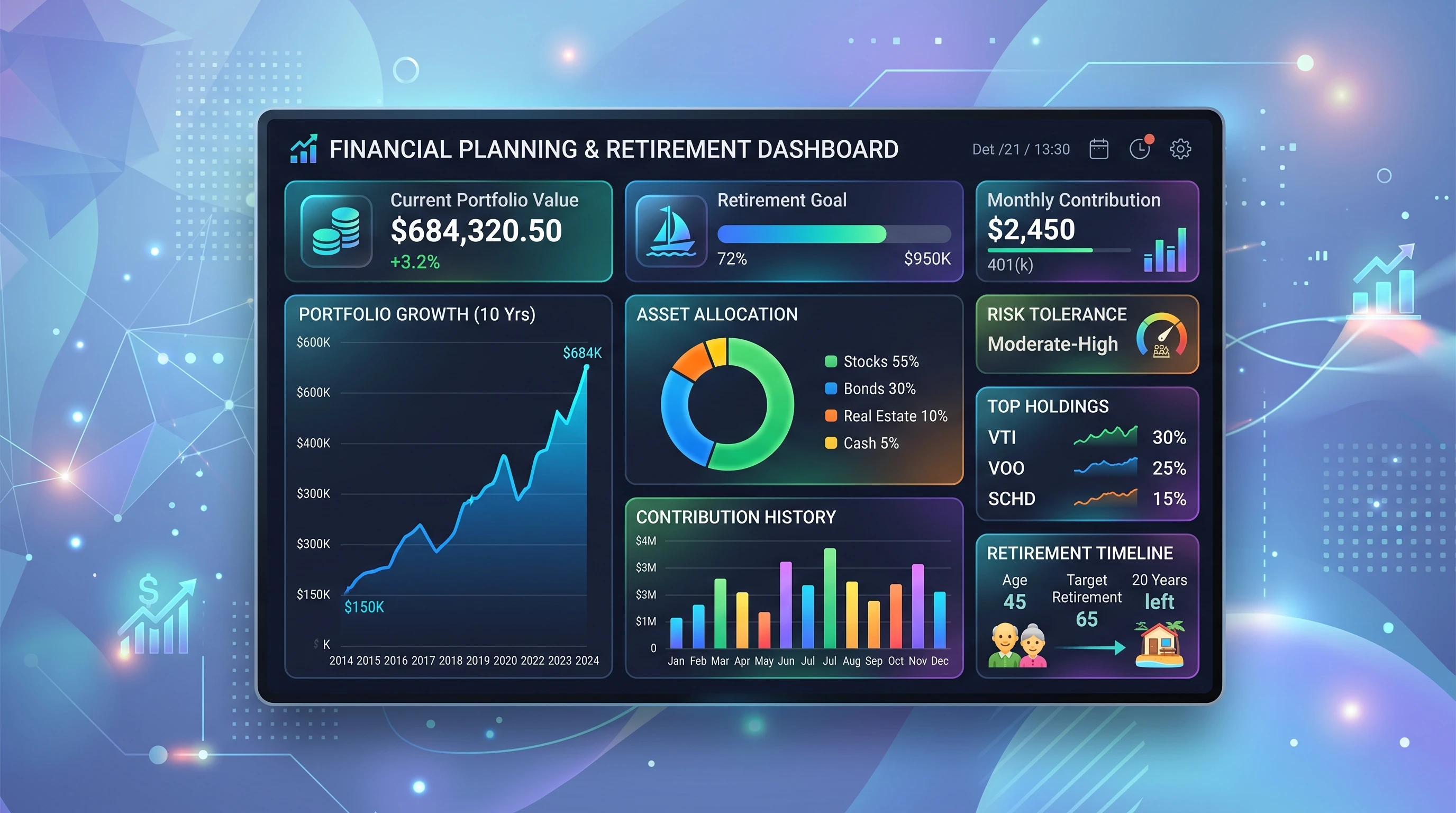
- Progress Dashboards: Many retirement apps give you a simple, color-coded dashboard so you can see at a glance where you stand. Visual trackers and milestone maps make it less daunting to track progress, and a little progress bar can be motivational.
- Integration with Your Real Life: AI models are increasingly connected to your day-to-day choices. Got a raise? AI can show you how bumping up your contributions makes a difference. Ready to buy a home or plan a vacation? See how that impacts your retirement savings plan over time before you commit.
By keeping your retirement front and center, AI tools reduce the chance for things to fall through the cracks. The constant feedback loop helps you stay sharp and proactive, giving you a sense of control over your future.
Benefits and Challenges of Using AI for Retirement
There are real upsides to putting AI on your retirement planning team, but it pays to keep an eye out for a few hurdles too.
Benefits
- Speed and Efficiency: What used to take hours poring over spreadsheets now just takes a few minutes, with accuracy and a lot less manual math.
- Personalization: Instead of average or generic recommendations, AI uses your own financial data, goals, and past behavior, so the suggestions are far more relevant.
- Continuous Updates: Plans update automatically when your financial situation changes or when the market mixes it up, so you don’t have to redo everything just because you changed jobs or moved to a new city.
Challenges
- Privacy and Data Security: These tools ask for sensitive info. It’s wise to check where your data goes and how it’s protected. Trusted apps and banks usually share security details upfront. Look for encryption and privacy guarantees before inputting your personal information.
- Overreliance on Automation: AI can suggest a savings plan or investment mix, but it won’t always take into account unique personal circumstances. If you have a complex financial life or big nonretirement goals, sometimes a real advisor adds more value.
- Algorithmic Bias: AI uses patterns from existing data. If those patterns aren’t perfect (and they rarely are), recommendations can carry some bias. For example, they might underestimate certain costs or not account for rare medical events. Always use AI guidance as one part of your decision process, not the single source.
Being aware of these trade-offs helps you benefit from AI without taking on unnecessary risk. Don’t forget to review policies periodically to ensure your info stays safe and your goals still match your strategy.
Putting AI into Action: A Step-by-Step Guide
If you’re ready to use AI to plan for retirement, you don’t have to do everything at once. Here’s a step-by-step guide based on what I’ve learned from experimenting with these tools myself:
- Pick Your Platform: Decide if you want to use a bank app, a roboadvisor (like Betterment, Wealthfront, or Ellevest), or a standalone AI budgeting tool (like YNAB with automation add-ons).
- Import Your Data: Connect your accounts, upload statements, or enter your financial details manually. More data gives more accurate results.
- Set Up Your Profile: Answer questions about your job, retirement age goal, lifestyle expectations, spending habits, and family circumstances. Don’t rush through this; precise answers create better plans.
- Declutter and Organize: Overlapping old 401ks or random investment accounts? Many AI tools will help you spot duplicate or underperforming accounts, making it easier to bring them together for simplicity.
- Set Your Savings and Investment Preferences: Choose how much you want to save each month and your preferences about stocks versus bonds or other investments. The AI will create a recommended mix and savings target.
- Review and Play With Scenarios: Use the scenario planners to see how different choices play out over time. This step is often eye-opening and might motivate you to adjust your target date or bump up your savings rate.
- Automate Where Possible: Set up recurring contributions and let the AI send alerts and adjust investments automatically. Spend a little time each month checking your progress and making tweaks as needed.
Treat this as an ongoing process rather than a one-time chore. Regular check-ins will make for a smoother ride to retirement, and the more you interact with your plan, the more natural it will be to spot opportunities or address issues early on.
Key Things to Consider Before Using AI for Retirement Planning
A few issues are worth keeping in mind to get the most out of AIdriven retirement planning:
- Quality of Data: Garbage in, garbage out. For best results, enter accurate and complete details, including oneoff expenses, debts, and assets outside regular accounts.
- Fee Transparency: Some roboadvisors and AI apps charge management fees. Always double-check what you’re paying so there are no surprises, especially for long-term use.
- Backup Advice: If you have complicated tax situations, business income, or unique goals, it’s wise to review AI recommendations with a human advisor occasionally.
- Regulations and Coverage: Not all AI tools account for local tax law changes or unusual regulations (like statespecific Social Security calculations). Double-check advice if you’re moving states or if your retirement will pull in money from sources outside the U.S.
AI and Retirement Account Types
Most AI retirement platforms work best with common retirement accounts like 401ks, IRAs, and Roth IRAs. If you have alternative assets (think rental property, business ownership, or crypto), not all tools account for these yet. As AI finance apps mature, more platforms now offer ways to include these extras, but it’s a detail to check if you have a unique portfolio. Ask your provider about upcoming integration features or beta programs for specialty assets if your situation falls outside the box.
Cool Features in Modern AI Retirement Tools
AI in retirement planning keeps getting smarter and more user-friendly. Here are some features I enjoy using and think you’d appreciate:
- Goal-Based Investing: Target your savings specifically for big expenses in retirement, including travel, family support, or a home down payment. Let the AI manage funds for each bucket and help you keep priorities straight.
- Tax Optimization: Some roboadvisors use AI to minimize your tax burden, selling assets strategically to cut your bill each year rather than just during tax season.
- Healthcare Planning: AI models can estimate future healthcare costs based on where you live and your medical history. This helps you avoid surprises and build a cushion for medical emergencies down the line.
- Retirement Income Planning: Instead of only focusing on saving, more AI tools now help you figure out the best times to withdraw money (from which accounts, in what order) so you keep more of your hard-earned funds in your pocket.
AI Retirement Planning in Real-World Scenarios
AI isn’t just for finance geeks; its practical benefits show up for lots of regular folks. Here are a few ways I’ve seen people use AI-powered plans in real-life situations:
- Early Retirement: Someone who wants to leave the workforce ten years early can see exactly what they need to save, which investments could support a longer period, and how adjusting their lifestyle impacts the plan.
- Late Saver: If you feel behind, AI can set up catch-up contributions, flag taxadvantaged account opportunities, and give you a super detailed look at what can be done now to make up ground.
- Side Hustlers: Freelancers or folks with multiple income streams often have messier finances. AI budgeting tools automate savings and help balance irregular cash flow so your retirement plan doesn’t stall out.
- Family Planning: Adding a kid to the household? AI can model the short-term impact on savings and suggest ways to course correct over time, so big life changes don’t leave you scrambling. With every new scenario, the software adjusts and helps keep priorities clear.
All kinds of families can benefit from this flexibility, and with more digital tools supporting AI-driven insights, barriers to entry are lower than ever. Whether you are an early planner or catching up after years of under-saving, platforms continue to update and refine their advice for different situations and goals.
Frequently Asked Questions
AI tools are still new for a lot of folks planning for retirement, so questions are pretty common. Here’s what I hear most often:
Question: Can AI help me figure out how much money I’ll actually need in retirement?
Answer: Absolutely. AI platforms take your spending history, expected expenses, inflation rates, and other factors to give a tailored estimate. It’s much more specific than the old “multiply your salary by 25” rule of thumb and keeps adjusting as your situation changes.
Question: Will AI replace human financial advisors?
Answer: AI is great at number crunching and can spot patterns quickly, but some people still benefit from a real-life advisor to talk through complex decisions, big life changes, or when emotions get in the mix. While you might use AI for day-to-day monitoring, hybrid approaches remain popular for best results.
Question: Are AI retirement apps safe to use?
Answer: Most major apps use strong security protocols, but it’s smart to check for encryption and read privacy disclosures. Use two-factor authentication and pick reputable providers for extra safety.
Question: How often should I check on my AIdriven retirement plan?
Answer: Most people do fine with a monthly check-in, but major life events (like a job change or marriage) are a good time for a full review. Many AI tools update in real-time as your info changes, giving you peace of mind between reviews.
Final Thoughts
Tapping into AI for retirement planning can really smooth out the bumps in a process that often feels overwhelming. You get forecasts tailored to your real life, suggestions that update as your situation evolves, and simple, actionable advice without hours of digging through spreadsheets. While it’s always a good idea to double-check AI recommendations and ask a human pro when big decisions pop up, these digital helpers can make it easier to stay on track, spot problems early, and work toward the kind of retirement you’ve actually dreamed about. Whether you’re starting from scratch or looking to take your plan up a notch, AI tools are useful additions to your retirement toolkit. With these smart helpers by your side, your path toward a comfortable, secure future can be a whole lot clearer.
Leave a Reply