What Factors To Consider Before You Invest In Any Company
Investing in a company isn’t just about following a hunch or copying what you see on social media. There’s a lot more to it if you want to avoid random risks and give yourself the best shot at a good return. Before you decide to put your hard-earned money into any business, it’s really important to think about different factors that can impact your investment. I’m going to guide you through what to keep in mind before investing in any company, whether you’re eyeing stocks, considering a private business, or even looking at startups.
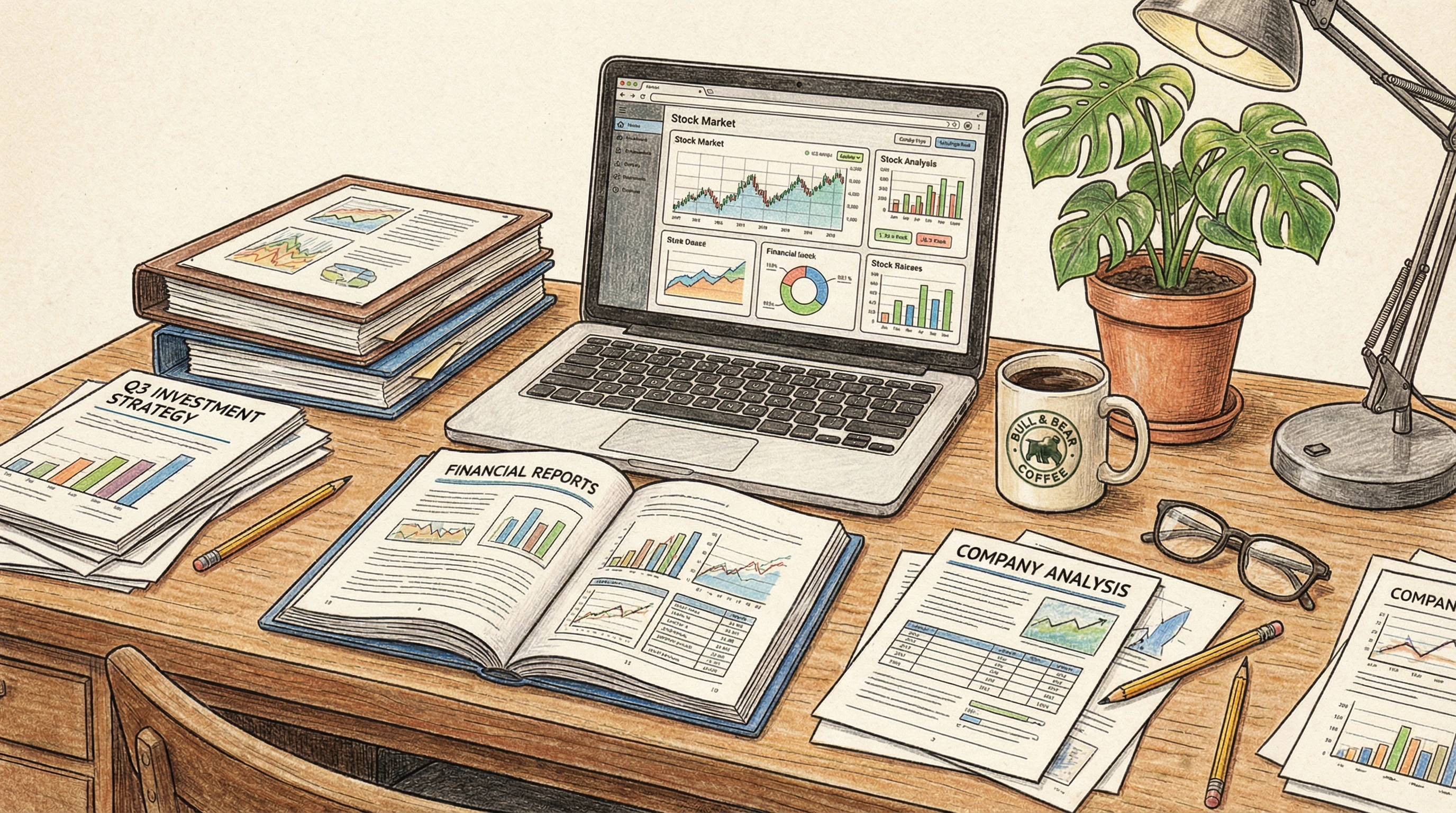
Why It Pays to Dig Deeper Before You Invest
Putting money into a company isn’t something I rush into. There’s a lot to gain, but also real downsides if you overlook details. The world of business is full of surprises, some good, some not so great. Digging deep helps me figure out whether a company has solid footing or if it might be only a shiny promise without much under the surface.
Company research isn’t just for big investors or finance pros. Everyday folks like us can do plenty to understand where we’re putting our money. The popularity of investing apps and market access has led more people to invest than ever before, but not everyone slows down enough to look past the hype. Careful research helps buyers make informed decisions and dodge some of the common pitfalls.
Over the past several years, tons of inexperienced investors have lost money by jumping on bandwagons or trending stocks. There’s no substitute for careful digging and common-sense checks. Being thorough isn’t about looking for perfection, but just knowing enough to make a decision I won’t regret later.
Getting Started With Company Research
If you’re new to investing or just starting to look at companies beyond their brand name, there are a few basics you’ll want to have down first. Every company has certain building blocks you can check to understand its health and future potential. Here are some key terms and things to notice right away:
- Business Model: This is how a company makes its money. For example, do they sell products, offer services, or maybe a mix?
- Revenue Streams: This refers to all the different ways money flows into the company, not just their main product.
- Expenses and Margins: Understanding what it costs them to make money is just as important as how much they’re making.
- Market Position: Where does the company stand against its competitors? Are they leading, or just trying to catch up?
- Leadership: Who calls the shots behind the scenes? Strong or questionable leadership can make a big difference.
How to Look at a Company Before Investing
Breaking down a company before investing takes a little patience, but it’s super useful if you want to avoid unwelcome surprises. Check out these main areas I always consider:
- Understand the Company’s Story: What do they do? Who do they serve? Why are they in business at all?
- Research Their Financial Health: Look for info like revenue, net profits, and whether the company is carrying a ton of debt.
- Check the Industry and Competition: Some markets are booming, while others are shrinking. Is the company gaining market share or falling behind?
- Assess the Management Team: People at the top have a real impact. Find out if they have experience or a track record of success.
- Look Over Their Growth Plan: Companies with clear, achievable strategies for growth are usually safer bets than those just treading water.
- Review Risks and Weaknesses: Every company has downsides. Understanding these can help you keep your expectations realistic.
- Check Transparency and Communication: Are they open about their business, or does everything feel a bit hidden? Honest companies are easier to invest in with confidence.
Digging into these areas gives me a clearer view and helps me trust my own judgment more than hype or hot tips.
Key Factors to Think About Before Investing
Some issues pop up again and again when I’m deciding where to park my money. Here are some of the super important ones I look at:
- Financial Performance: Companies that are regularly profitable and growing look a lot safer than those teetering on losses each quarter.
- Valuation: Sometimes a company looks exciting, but its price on the market is way higher than what seems fair for what they actually deliver.
- Debt Load: High levels of debt can be risky, especially if something changes in the economy or within the company itself.
- Dividend Policy: If you’re into income investments, check whether the company pays dividends and if it’s been consistent over time.
- Innovation and Adaptability: Businesses that stay flexible and adapt to changes are more likely to hang around for the long haul.
- Regulatory or Legal Challenges: Any legal trouble, ongoing lawsuits, or changing government policies affecting their industry can have a big impact.
- Reputation and Ethics: Companies with shaky ethical records or poor public trust can run into all sorts of problems.
Understanding Financial Performance
Financial statements might look intimidating if you’ve never looked at one before, but even a simple glance can tell you a lot. I keep an eye on sales trends, profit margins, and whether the company has been growing or shrinking over a few years. If profits seem to jump around a lot or the company is always borrowing more, I treat that as a red flag. Consistency and a clear path to real profits go a long way for peace of mind.
Weighing Company Valuation
A good company isn’t always a good investment if the price is sky high. Paying too much for a stock or a share in a business just raises the bar for what it needs to achieve. I often compare the company’s price to earnings (P/E) ratio to others in the same industry. If it’s trading at double the rate of similar companies without a clear reason, that makes me pause and dig deeper.
Checking Debt and Liabilities
Companies can and do use debt all the time, but too much can limit their future plans or create big struggles if business slows down. When I see a company spending most of its profits on paying off interest, I get cautious. Reasonable debt motivates growth, but heavy borrowing can put real stress on a business if things go sideways.
Innovation and the Company’s Future
Staying ahead of the game matters a lot. Companies that refuse to modernize or miss out on fresh trends are often left behind. I look for signs that they’re investing in new technology or finding ways to appeal to new customers. Research and development spending, patents, and partnerships with eye-catching firms are all good clues that they’re working on staying relevant. For example, if a company launches an eye-catching new product or service, that could signal fresh energy and momentum.
Assessing Leadership and Management
A company with a strong, honest leadership team typically inspires much more investor confidence. I take a look at the CEO’s background, other top leaders, and any stories about scandals or turnarounds related to the management team. Platforms like LinkedIn or company bios can tell you about the experience of the folks running things, and it’s usually pretty easy to find news articles if anything big went down with leadership.
Regulatory Environment
Every industry has some rules in place, but some companies face a lot more government red tape than others. Pharmaceuticals, banks, and utilities get watched closely, while others have more flexibility. New laws, regulations, or even rumors of major changes can have a major impact on a company’s prospects. Sources like the U.S. Securities and Exchange Commission (SEC) are super helpful for checking filings and updates.
Company Reputation and Ethics
You can’t overlook reputation, especially in the age of the internet. News of a company’s failures or bad behavior spreads faster than ever. I search online reviews, industry ratings, and even news coverage to see if the company’s trustworthy or if it’s been in trouble for poor labor practices, environmental issues, or other questionable behavior. Ethical businesses often build stronger, longer-lasting connections with both customers and investors.
Keeping these factors in mind can really help cut through the noise and hype that sometimes surrounds investing. Relying on personal judgment, mixed with honest research, is one of the best ways I’ve found to keep surprises to a minimum and peace of mind high.
Advanced Tips: Going Further with Company Analysis
Once I’ve got the basics down, I sometimes use a few more tools to look under the hood. Here are some extras that make the analysis even stronger:
Check Analyst Reports: Research firms or brokers often share their takes and forecasts. I don’t treat these as rules, but they’re worth checking for extra insight. These reports often compare companies within an industry, helping investors spot trends or weaknesses.
Investigate Insiders: When company leaders are buying shares in their own business, it can be a good sign. Selling isn’t always bad, but lots of insider buying can show confidence. Insider trading activity is usually available on regulatory filings or financial news websites, making it easier to stay updated.
Look at Macro Trends: Changes in the economy, interest rates, technology, or customer habits all impact companies in different ways. If a company is in a declining market, even brilliant management has a tough job ahead. Pay attention to news stories about industry disruptions or regulatory changes, as these can create new risks and opportunities.
Monitor Earnings Calls: You can listen to or read transcripts from company calls where leaders answer questions from analysts and shareholders. It’s a straightforward way to sense their confidence and honesty. These sessions often touch on recent challenges, growth initiatives, or plans to address weakness in the business.
Advanced research might take more time, but I find it gives much better clarity, especially for larger or more risky investments. Another useful step is tracking sentiment on professional investor forums or using stock screeners for added data points. Keeping a notebook of your thoughts and findings as you research can help you spot patterns and avoid emotional decisions.
The Basics: What Types of Companies Are Out There?
Different types of companies bring different sets of risks and opportunities. Here are some broad types you might come across, each with its own set of things to watch for:
- Public Companies: Traded on the stock exchange, usually easier to research and track. They release quarterly and annual reports, making it simpler to track down financial data and big plans.
- Private Companies: Not traded publicly, with much less information available, so research can take more work. Sometimes you’ll need to rely on interviews, local news, and state registries to get details on private firms.
- Startups: High risk and high reward. There’s often less history to go on, so knowing the team and the idea becomes even more important. Often, a startup’s ability to pivot quickly and chase new markets can make or break its success.
- Family Businesses: These often have their own dynamics. Sometimes succession planning (who takes over next) is a worry. Family-run firms may place value on legacy and relationships, sometimes at the expense of efficiency or innovation.
Tailor your analysis to the company type, and don’t expect the same factors to carry equal weight in every case. Some sectors may require you to focus on regulatory issues, while others hinge more on innovation or team strength.
Frequently Asked Questions
I get a lot of the same questions from people looking to invest, so here are some quick and straightforward answers to a few:
Question: How much research should I do before investing?
Answer: I recommend checking at least five to ten key details. For a quick overview, even a couple of public filings, financial highlights, and some news reports can help keep you away from obvious trouble. Digging into annual reports, scanning for press releases, and reading analyst coverage also help round out your view.
Question: What’s a good first investment?
Answer: Many people start with a company they already know, maybe a brand you use or a service you trust. But remember to look at the company’s financials, not just the name. Sometimes household names aren’t as solid as they seem, so checking recent earnings or debt levels is always smart.
Question: What if a company seems great but has lots of debt?
Answer: Debt isn’t always a deal breaker, but it’s something to watch. I look at how they’re using that debt—if it’s for healthy growth or just to cover old losses. Ideally, debt should fuel expansion, not just patch up weak cash flow. Be cautious if rising debt isn’t matched by revenue growth.
Question: Where can I find reliable information?
Answer: For public companies, the SEC website, Yahoo Finance, and company investor pages are solid places to start. For private firms, I rely on news articles and business registry databases like OpenCorporates. Networking with other investors or using financial libraries can also help for trickier research.
Final Thoughts
Thorough analysis sits at the heart of investing wisely. By understanding the business model, financial health, competition, and management, you’ll be much better prepared to make choices that fit your goals. Patience and curiosity go a long way. The more you practice doing research, the easier it gets to spot companies that deserve your attention. Trusted sources, steady habits, and a willingness to ask questions can turn a confusing world of numbers into something much more approachable.
If you’re starting out, keep it simple and stick with companies you understand and can research. Asking the right questions now makes investing a whole lot less stressful, and maybe even fun. Build up your experience over time and don’t hesitate to ask for advice if things get confusing. There’s always another opportunity just around the corner, and by learning to dig in and study first, you’ll be more ready each time a decision comes up.
Leave a Reply