How To Use Finance To Ensure Sustainability Goals And Objectives
Finance plays a much bigger role in sustainability than many people might think. I see it as the link that connects ambitious environmental, social, and governance goals with realworld action. If you want to create positive, lasting change for the planet and communities, understanding how to use financial tools and strategies is really important. In this article, I’m going to get into the practical ways finance can help you meet sustainability goals and objectives, whether you’re working in a business, government, or simply trying to make your own investments more meaningful.
What Is Sustainable Finance?
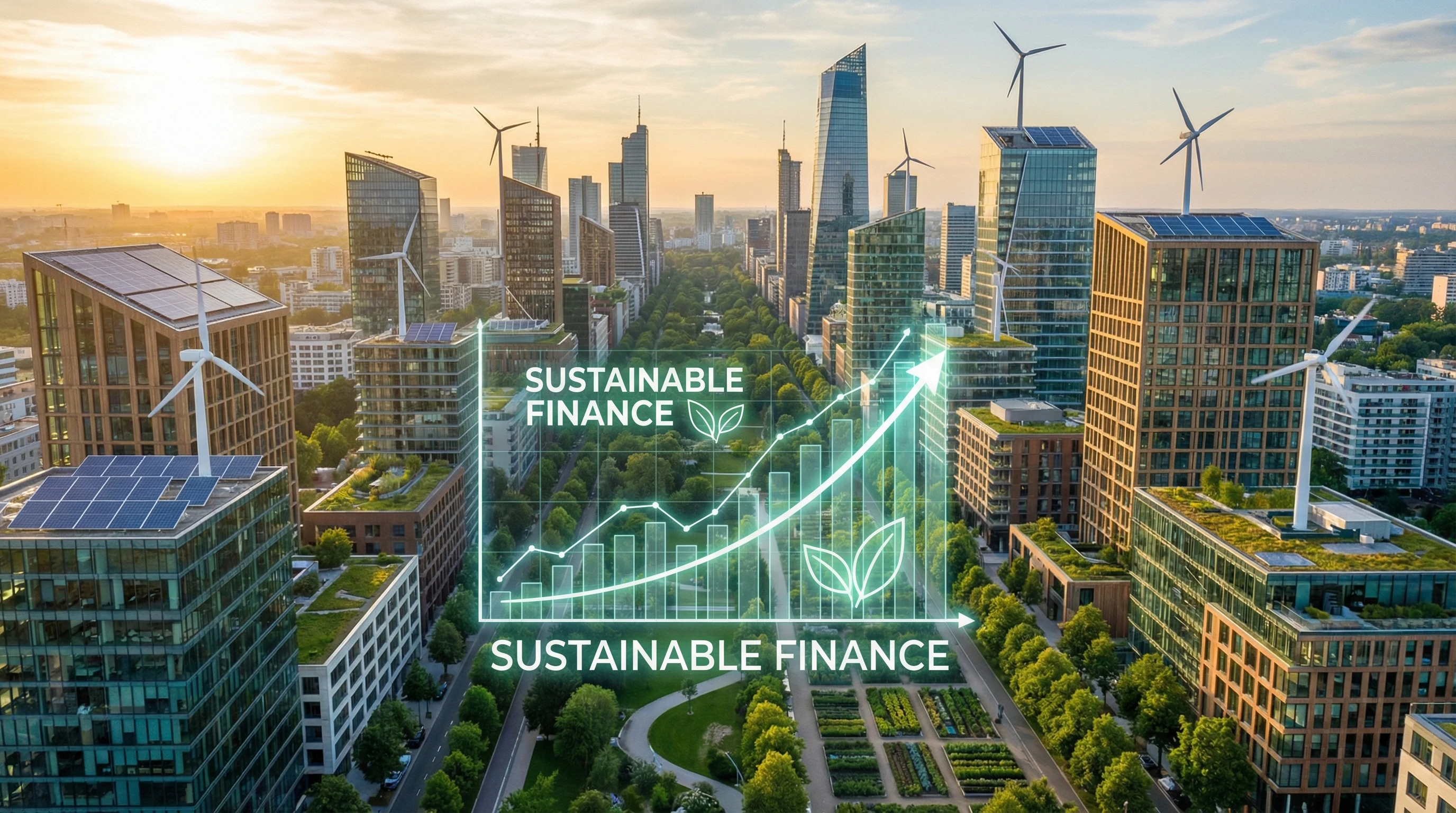
Sustainable finance is the practice of considering environmental, social, and governance (ESG) factors when making financial decisions. I find that this approach isn’t just about making money. It’s about using finance to encourage businesses and governments to act responsibly for the sake of future generations.
Investing in sustainable projects is no longer just a trend. Over $35 trillion was invested in ESG assets worldwide in 2020, and that number keeps rising, according to the Global Sustainable Investment Alliance. This growth shows just how much investors care about aligning their money with values like environmental protection, social justice, and ethical governance.
By choosing financial products and investment strategies that reward responsible behavior, finance professionals help ensure sustainability becomes a core part of decisionmaking. This makes finance an engine for positive change.
Linking Financial Decisions to Sustainability Goals
I’ve noticed that companies and organizations often list sustainability among their top priorities, but the way they spend and invest usually reveals their real intentions. Here are a few ways financial decisions directly support sustainability objectives:
- Directing Investments: Choosing to invest in green bonds, cleantech, or companies with strong ESG ratings makes a direct impact.
- Budget Allocations: Allocating company resources to sustainability projects, like energy efficiency upgrades or waste reduction programs, shows real commitment.
- Risk Management: Factoring climate or social risks into financial planning helps organizations prepare for the future and avoid hazards.
- Reporting and Transparency: Publicly tracking and reporting sustainabilitylinked financial outcomes builds accountability and trust.
Getting Started: Integrating Sustainability Into Your Financial Plans
If you want to start using finance to help achieve sustainability goals, you’ll need a plan. Here are some first steps I recommend, whether you’re an individual investor, a business, or working in public policy:
- Define Clear Sustainability Objectives: List your main goals. Do you want to reduce carbon emissions, improve diversity, or protect local habitats? Be specific because this shapes your strategy and what success looks like.
- Identify Relevant Financial Tools: This might include responsible investment funds, impact investing, green bonds, or even government grants and incentives for sustainable projects.
- Build ESG Screening Into Decision Making: Research investment opportunities and partners based on their environmental, social, and governance records. Use ESG rating agencies or indepth research to spot real leaders.
- Measure Progress and Adjust: Track both financial returns and sustainability outcomes. Use regular reviews to make improvements or change direction if needed.
I use this framework to make sure that my money and efforts help drive the change I want to see in the world.
Finance Tools That Support Sustainability
There are many ways finance can support sustainability, but some stand out for their effectiveness and popularity. Here’s an overview of the tools and products that I find most useful:
- Green Bonds: These are loans or investments made specifically to fund environmentally friendly projects, such as renewable energy installation or clean transportation systems.
- Social Bonds: Focused on projects that benefit people, these bonds might support affordable housing, better education, or public health initiatives.
- Sustainability Funds: These mutual funds or ETFs invest only in companies or projects that meet strict ESG standards.
- Impact Investing: This involves putting money directly into projects or companies designed to create social or environmental benefits alongside financial returns.
- Community Investing: Providing funds to underserved areas and promoting fair access to jobs, housing, or banking services is another way I see finance supporting realworld sustainability goals.
Besides these tools, there are innovations like sustainability linked loans, which adjust their interest rates based on a borrower’s achievement of ESG targets. This encourages businesses to reach for better sustainability outcomes, not just settle for minimum standards.
Challenges You Might Run Into With Sustainable Finance
Switching to a finance approach focused on sustainability can feel daunting. There are a few challenges I often see organizations and individuals face, along with some ways to work through them:
- Lack of Data: Without reliable data and ESG reporting, it’s hard to measure impact. I rely on trusted ESG data providers and keep asking for more transparency from my investments and partners.
- Greenwashing: Some companies exaggerate or falsely claim their practices are sustainable. Careful research helps me spot red flags and hold organizations accountable.
- Lower ShortTerm Returns: Sometimes, investing sustainably can mean smaller or slower profits at first. But over the long term, organizations that embrace sustainable practices tend to fare better with risks and reputation.
- Changing Regulations: Financial and sustainability regulations mix it up often, making it important to stay updated and flexible when building a strategy.
Recognizing and Dealing With Greenwashing
Greenwashing can make it tough to know if a fund, company, or project is truly sustainable. I always dig deeper when evaluating investments: I read multiple sources, check thirdparty ESG ratings, and look for actions, not just promises. This helps ensure my financial decisions support genuine sustainability.
Working With Uncertainty and Incomplete Data
Incomplete or inconsistent reporting can make it hard to tell how sustainable a company really is. I use the best available information and encourage others to push for more standard reporting practices such as the Global Reporting Initiative (GRI) or Sustainability Accounting Standards Board (SASB) guidelines.
Using Financial Strategy to Drive Real Change
Sustainable finance isn’t just about picking the right stocks or bonds. It’s about building a financial strategy that encourages progress. Here are a few approaches I use to match finance with sustainability efforts:
- Active Ownership: As a shareholder, I can vote on resolutions, get involved with executives, or even propose changes to push companies toward more sustainable practices.
- Divestment: Selling or avoiding investments in businesses that fail to meet environmental or social standards sends a clear signal and moves capital to better alternatives.
- Incentive Alignment: Linking executive pay, bonuses, or credit terms to ESG milestones can lead to real commitment at the top.
- Impact Reporting: Calculating and publishing clear, meaningful impact reports keeps all stakeholders accountable and inspires further progress.
Some Real-World Examples
I’ve watched some big companies set sciencebased targets for carbon emissions tied directly to their access to credit or investor funding. Banks increasingly offer lower loan rates to firms with strong sustainability records. Cities are floating climate bonds to build green infrastructure. Each of these strategies shows that finance can fuel or speed up sustainable change when dollars are connected to results.
Common Mistakes to Avoid With Sustainable Finance
Pursuing sustainability objectives with financial tools is rewarding, but there are pitfalls I try to spot early. Here’s what I watch out for:
- Focusing Only on the Environmental: Sometimes, the social and governance aspects are ignored. Thorough research and documentation can help avoid this narrow view.
- Overlooking Risk: Even sustainable investments carry risks. Mixing in some variety across asset classes and geographies is important to protect against volatility.
- Neglecting Regular Review: Sticking to a onetime plan can make progress stall. I find that consistent review helps keep goals on track and uncovers new opportunities or threats.
- Trusting Vague Claims: “Ecofriendly” or “responsible” labels don’t mean much without supporting evidence. I always look for specific certifications and proven outcomes.
Bringing Employees and Stakeholders Into the Mission
Sustainable finance is most effective when everyone gets involved. I encourage open communication with employees, customers, and investors about what sustainability goals are and how financial decisions will back them up. This means sharing progress and inviting feedback on policies and results. It builds trust and energizes support.
One of the most impactful things I’ve seen is when organizations link personal incentives or team bonuses to sustainability milestones alongside financial targets. It’s one way to make sure the whole team pulls in the same direction.
Examples of Finance Supporting Sustainability in Different Sectors
Sustainable finance looks different across industries. I’ve compiled some sector-specific examples that show how finance helps reach sustainability objectives:
- Energy: Banks and pension funds are crucial in providing capital for solar and wind energy projects or funding energy efficiency improvements in homes and factories.
- Agriculture: Sustainable loans encourage farmers to adopt environmentally responsible practices, like precision irrigation or organic production.
- Real Estate: “Green mortgages” reward buyers and builders who create energyefficient, lowemissions homes and buildings.
- Transportation: Government grants, investment in public transit, or the development of lowcarbon vehicles benefit from sustainable finance mechanisms.
Other areas like technology and healthcare are also incorporating sustainable finance. For example, tech companies are launching responsible innovation funds to develop energy-saving software and hardware, while healthcare providers use sustainabilityfocused bonds to expand access to care and reduce their environmental impact.
Frequently Asked Questions About Sustainable Finance and Sustainability Goals
Here are a few questions I often hear from people trying to connect finance with sustainability efforts:
How can I make sure my investments really support sustainability?
Answer: Screen your investments with reliable ESG data providers, read thirdparty impact reports, and check for independent certifications like those from the Climate Bonds Initiative or B Corp.
Can small businesses use sustainable finance?
Answer: Yes. Small firms can access green lending, tap into government grants, and adopt impact reporting to show their progress and attract loyal customers or responsible investors.
Is sustainable finance only for big companies or large investors?
Answer: Not at all. Anyone can use sustainable finance principles, from individuals choosing ethical funds to local governments funding community solar projects. Every decision makes a difference.
What’s the long-term benefit of adopting sustainable finance strategies?
Answer: While initial returns might be modest, adopting sustainable finance often leads to stronger risk management, better stakeholder trust, and improved reputations, all of which can lead to increased value over time.
Key Takeaways for Using Finance to Meet Sustainability Goals
Connecting financial resources to sustainability objectives makes good sense for the environment, society, and long-term business health. By setting specific goals, carefully choosing financial products, checking for meaningful impact, staying involved, and reviewing progress often, I’ve found it’s possible to drive real, positive change. You don’t have to sacrifice returns or accountability to make a difference. The tips and strategies I’ve shared here help anyone use finance to meet their sustainability goals, whether they’re making personal investments or running a global enterprise. With ongoing attention to transparency and impact, finance can keep powering a more sustainable world, one smart decision at a time.

