How To Use AI To Prepare A Good Business Plan
AI tools can make the business planning process smoother, faster, and a lot more insightful. Whether you’re starting a new venture or looking to refresh an existing strategy, using AI can help you dig deeper into market research, forecast outcomes, and organize your ideas in a structured and logical way. Here, I’ll break down how you can use AI to prepare a solid business plan, the key pieces that every plan should have, and what to watch out for when trusting AI with important decisions.
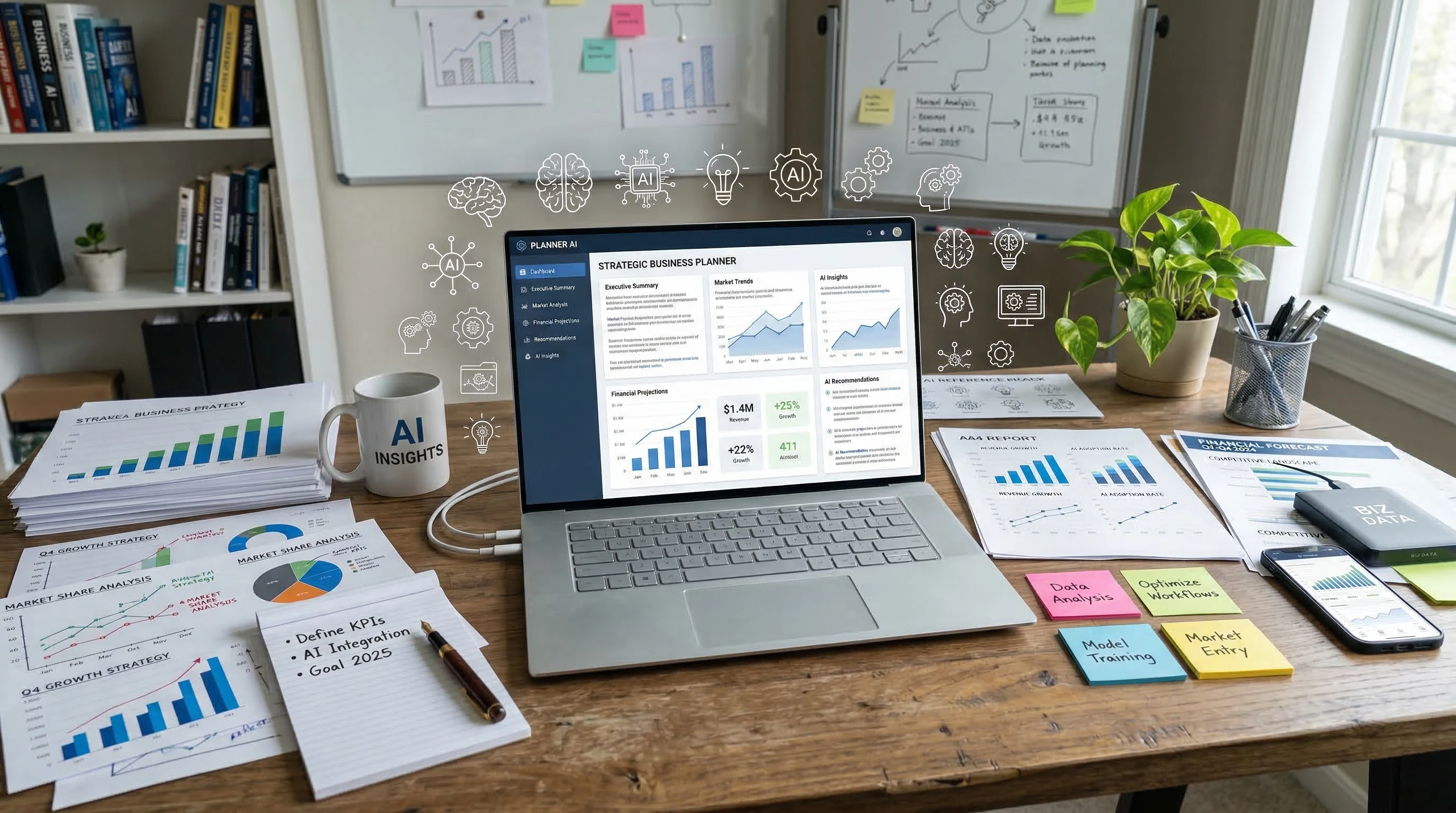
What You’ll Want in a Good Business Plan
Every good business plan covers a handful of basic areas, no matter the industry or business size. Skipping any of these sections can leave investors or partners with questions and might hold you back when it’s time to get funding or move forward. Here are the parts I always make sure to include:
- Executive Summary: A short overview that tells people what your business is about, where you want to take it, and why you think it’ll work.
- Business Description: Explains your business idea, what you offer, and what makes your business different from the rest.
- Market Analysis: Details about your target market, trends, competitors, and what’s going on in the industry.
- Organization & Management: Describes your team’s structure and bios of key players.
- Products or Services: Details on what you’re selling and the benefits to your customers.
- Marketing & Sales Strategies: How you plan to attract and retain customers, including sales processes.
- Funding Request (if needed): How much money you need to launch or expand and where it’ll be spent.
- Financial Projections: Forecasts like sales, expenses, and profit for at least three years down the road.
- Appendix: Extra info like charts, resumes, product photos, or legal documents.
AI tools can help with just about every part of this list, but knowing what to include is the first important step before handing anything over to an algorithm.
How AI Can Help You Build a Business Plan
AI isn’t just about answering questions or generating quick ideas. It’s become pretty smart at helping founders, small business owners, and side hustlers create actionable, clear business plans. I’ve seen AI used in these ways:
- Market Research on Demand: AI can scan online articles, industry reports, and market data to quickly summarize market trends, potential customer needs, and gaps you could fill.
- Competitor Analysis: Rather than sorting through dozens of competitor websites by hand, AI can compare their strengths, weaknesses, pricing, and social media activity for you.
- Financial Forecasts: Some AI tools can turn your basic financial information or goals into spreadsheets and visual projections in minutes, which is pretty handy if you’re not a numbers person.
- Drafting and Proofreading: AI writing tools can help organize your thoughts into full paragraphs, rewrite sections to sound clearer, and even catch grammar mistakes that could make your plan look less professional.
These aren’t just time savers. They can actually help you see patterns, risks, and opportunities you might otherwise miss.
Step-by-Step: Creating a Workable Business Plan with AI
Using AI effectively for your business plan isn’t about copying and pasting whatever it spits out. It works best when you treat it as a partner rather than a boss. Here’s how to go about it:
- Set Clear Goals: Know what your business wants to achieve and who will be reading your plan. AI tools do a better job when you give them specific directions, like, “Summarize the top three competitors in the boutique coffee shop industry.”
- Feed AI High-Quality Data: The more info you provide (like rough market stats, your startup idea, or local specifics), the more helpful the responses will be. I like to start with bullet points and ask AI to organize them.
- Use AI for Each Section: Ask targeted questions for each business plan section. For example, “What marketing strategies are common for online tutoring services?” Copy answers that fit your plan and edit them as needed.
- Cross-Check the Output: Don’t just take the AI’s word for it. Make sure any numbers, trends, or competitor names are accurate. Double-check facts with your own research or reliable sources like Statista, IBISWorld, or your local chamber of commerce.
- Polish and Personalize: AI drafts can feel generic. Add your own details, personal experiences, your mission, and your voice to make your plan unique and trustworthy.
- Use AI for Final Checks: Before showing your plan to anyone important, ask AI to proofread for clarity and completeness. Some tools also offer formatting tips that can give your plan a more polished look.
Following these steps helps you avoid the classic pitfall of creating a business plan that sounds impressive but doesn’t actually work for your specific situation.
Advantages of Using AI for Business Planning
AI can be a real game changer during the business planning process for founders at every stage. Here’s why I reach for AI tools when building my own plans or advising others:
- Speed: AI can analyze massive amounts of data and deliver relevant insights in minutes.
- Convenience: Everything from drafting sections to financial projections can be generated in one place, anytime.
- Cost Effective: Many AI tools are free or much cheaper than hiring a consultant.
- Fresh Ideas: AI can suggest angles or marketing ideas you might not have considered on your own.
- Helps Uncover Risks: AI can spot missing data or red flags in your plan so you can address them early.
For solo founders or small teams without a big budget for research, I’ve found these advantages really important for moving an idea from a rough sketch to something you can bring to investors or partners.
Pitfalls of Using AI in Business Planning
AI is helpful but it’s not perfect. There are a few things to watch for so you don’t get tripped up:
- Generic Results: If the prompts are vague, AI might give you answers that sound impressive but are actually pretty shallow or too broad.
- Inaccurate or Outdated Data: Some AI sources use information that isn’t current, or they might misinterpret statistics, especially in industries that move fast.
- Lack of Local Context: AI can miss local laws, cultural norms, or neighborhood trends that really matter for small businesses.
- Privacy and Confidentiality: Putting sensitive business ideas into an AI tool isn’t always safe or private, especially if you’re using free tools with unclear privacy rules.
These pitfalls are not dealbreakers, but it’s smart to stay alert and blend AI findings with your own knowledge and judgment.
Balancing AI Advice with Real World Considerations
Relying too heavily on AI makes it easy to end up with a plan that looks great on the surface but doesn’t really fit the real world situation. I find it helps to:
- Reach out to real customers and get their feedback on your ideas, not just the AI’s opinion.
- Compare AI generated suggestions with what’s happening in your local area or industry network.
- Talk to experts, mentors, financial advisors, or small business owners about your plan before finalizing it.
Mixing AI insights with your own research and honest feedback from others usually leads to a plan that’s both practical and convincing.
Popular AI Business Plan Tools Worth Checking Out
There are lots of AI powered tools built specifically for business planning, and more appear all the time. I’ve tried a bunch and these are the ones that stand out:
- ChatGPT and Google Gemini: Super flexible AI chatbots that can help with brainstorming, writing, and checking plan drafts.
- LivePlan: An allinone business planning tool with AI features for market research and building financial projections.
- Upmetrics: Offers AI powered business plan templates and analytics that help you organize your thoughts quickly.
- Bizplan: Makes it easy to visually organize sections and collaborate with others online.
- Copy.ai: Handy for turning bullet points and ideas into more polished business plan paragraphs.
There’s no one “right” choice since the best tool depends on your business needs and how much help you want with each step. I recommend playing around with a couple of these to see which fits your workflow and preferences best.
Common Questions About Using AI for Business Plans
People often have questions about just how much they can trust AI, so I want to answer some of the most common ones I get:
Question: Can I use AI to write my whole business plan?
Answer: You can, but I don’t recommend it. AI can make the writing process quicker and help you organize your ideas. However, a good business plan always needs your personal touch and real world details.
Question: Will investors know if I used AI?
Answer: Most investors care more about the plan’s content than how it was written. Still, if your plan sounds too generic or lacks specific knowledge of your market, it will stand out in a bad way. Use AI as a tool, not a replacement for your work.
Question: Can AI help find business model gaps or risks?
Answer: AI is pretty good at pointing out missing sections or asking probing questions about your business model, but it can still miss risks that are unique to your situation. Always get a qualified second opinion before taking big steps.
Question: Is it safe to enter my business idea into an AI tool?
Answer: It’s better to keep sensitive info private, especially with free or public facing AI tools. Stick with paid, reputable services that offer confidentiality if your idea is still under wraps.
Final Tips for Using AI-Generated Business Plans Effectively
Prepping a workable business plan with AI doesn’t mean you should set it and forget it. Some things I always keep in mind:
- Do your own research before relying on AI answers.
- Update your plan regularly; AI can help, but you’ll need to feed it with new info as your business grows.
- Ask for feedback from people who understand your industry, not just from online forums or automated tools.
- Add examples and stories from your own experience, since these can make your plan much more relatable and convincing.
Business planning can often feel daunting, but using AI smartly can free up time and energy so you can focus on what matters. Turning your vision into an actual, thriving business is more attainable when you combine your insights with powerful tools.
If you’re about to start a new business or take up a notch your current strategy, pulling in some AI tools could make the process less overwhelming and help you build a plan you’ll actually be excited to follow.
Leave a Reply