What Is The Different Between Tax Evastion And Tax Avoidance
Understanding the difference between tax evasion and tax avoidance is really important for anyone who wants to handle their finances responsibly and legally. I often hear people use these terms interchangeably, but there’s a big difference in what they mean and how the law treats them. In this article, I’m going to break down the concepts, show how they play out in real life, and give you the tools you need to stay smart about your taxes.
What Is Tax Evasion and Tax Avoidance?
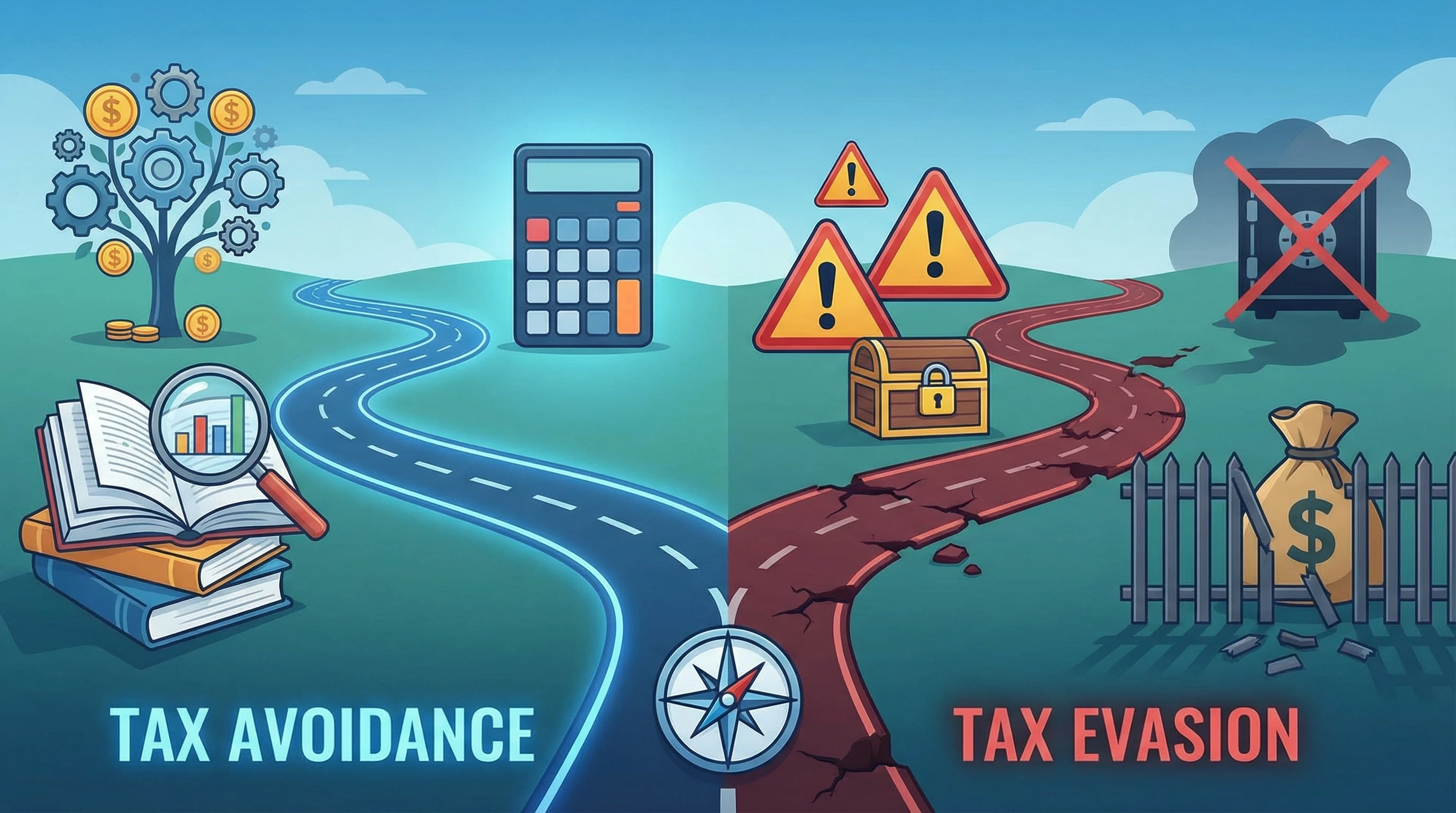
Tax evasion and tax avoidance both deal with how people and businesses handle their tax bills, but they couldn’t be more different in terms of legality. I see tax avoidance as the practice of reducing your tax liability in ways that follow the letter of the law. It’s all about using legal loopholes, credits, deductions, and smart financial planning to pay less in taxes without breaking any rules.
Tax evasion, on the other hand, is illegal. It happens when someone deliberately misrepresents or hides information to keep from paying the taxes they owe. This could mean underreporting income, inflating expenses, hiding money in offshore accounts, or even failing to file a tax return entirely. If you’re caught evading taxes, there can be criminal charges, heavy fines, and even jail time in some cases.
Governments take these differences seriously. While they might not be thrilled if you find ways to minimize your tax bill, as long as you’re following the law, you’re just practicing tax avoidance. If you cross the line and try to cheat the system, that’s tax evasion, and it can come with real consequences.
Why Understanding the Difference Matters
The line between tax avoidance and tax evasion is not just about following rules; it’s about protecting yourself. If you accidentally step over that line, you could face audits, penalties, and even criminal prosecution. I find it’s always safer and smarter to know what each term means so I can make confident choices when managing my finances or consulting with a tax professional.
Tax agencies like the IRS in the US and HMRC in the UK regularly monitor for signs of both evasion and aggressive avoidance. Sometimes, they even challenge legal avoidance strategies if they believe those strategies abuse the spirit of the law. That’s why paying careful attention helps ensure your actions stay safe and within legal boundaries (IRS, HMRC).
Shows of Tax Avoidance: What It Looks Like in Practice
Tax avoidance happens when I (or anyone else) use the tax rules to my advantage, but never cross the line into hiding income or making false statements. Here are some ways everyday people and big companies practice legal tax avoidance:
- Claiming Deductions: Taking all the deductions available, such as mortgage interest, student loan interest, retirement savings, and healthcare expenses, to lower taxable income.
- Using Credits: Taking advantage of tax credits for education, renewable energy installation, or childcare.
- Retirement Contributions: Depositing money into retirement accounts (like IRAs or 401(k)s in the US) lowers taxable income for the year.
- Taking Advantage of TaxDeferred Investments: Investing in accounts where you don’t have to pay taxes on the income until you withdraw it later, such as some bonds or annuities.
- Business Expense Planning: For small business owners, carefully timing the purchase of equipment or supplies can help maximize available deductions within the rules.
Companies often use more complex strategies, like shifting profits to countries with lower tax rates or restructuring to benefit from international tax treaties. These approaches can save millions on taxes as long as they’re structured legally and follow industry rules. In fact, multinational corporations may move intellectual property holdings to countries with more favorable tax laws, reducing the effective tax rate on major revenue streams. Another frequent strategy is internal lending between subsidiaries, creating legitimate interest expenses to offset profits, as long as these moves are properly documented and disclosed to authorities.
What Tax Evasion Looks Like: Examples and Red Flags
Tax evasion involves dishonesty. Here are some clear ways tax evasion shows up:
- Underreporting Income: Not reporting all the money you’ve earned. For example, if I work a side job and decide not to tell the tax authorities about my cash payments, that’s tax evasion.
- Inflating Deductions or Expenses: Claiming deductions for personal expenses as business costs or inventing expenses that never happened.
- Hiding Money Offshore: Stashing money in foreign bank accounts and failing to report it.
- Failing to File Returns: Simply not filing tax returns when you know you have an obligation.
- Using Fake Documents: Presenting false receipts, invoices, or records to support fake deductions or credits.
Tax authorities are always on the lookout for these activities, and penalties can be severe. Honest mistakes do happen, but proving intent can make a big difference in how a case is treated. Regular audits, whistleblowers, and software algorithms help tax offices spot questionable patterns or hidden income. If authorities pick up on a consistent mismatch between reported earnings and lifestyle—like owning high-value assets on a modest declared income—they may initiate an investigation.
Key Differences and Why They Matter
Tax avoidance is legal and tax evasion is illegal. That’s the main takeaway everyone needs to remember. Here are some details that highlight this difference:
- Intent: Avoidance involves taking advantage of legal means; evasion is about deliberately hiding, lying, or cheating.
- Methods: Avoidance relies on planning, while evasion involves misrepresentation or deception.
- Consequences: Practicing avoidance could draw attention from tax authorities if your strategies are aggressive, but staying within the law means you won’t face criminal penalties. Evasion can lead to fines, loss of assets, and sometimes jail time.
- Morality: Some people see aggressive avoidance as “unsporting” or unfair, even if it’s legal. Evasion is almost universally recognized as wrong because it takes money away from community services, schools, and infrastructure.
Understanding these points helps me feel confident about my own tax decisions. It also makes it easier to recognize when something is getting risky, so I can reach out to a professional for advice.
Common Questions Around Tax Evasion and Avoidance
I get asked about these topics often, and there are a few questions that always come up:
Is it wrong to reduce my taxes?
There’s nothing wrong with trying to pay less tax if you’re following the law. Tax avoidance is about working within the rules, while evasion means breaking them. If I feel unsure, I check with a tax advisor to make sure everything is clear.
Can tax avoidance become evasion over time?
It happens. Sometimes what starts as aggressive avoidance (pushing rules to the limit) can cross the line and become evasion, especially if I start making up expenses or hiding money. Staying transparent in my records keeps me safe.
How do authorities decide if something is evasion or avoidance?
They look at intent, documentation, and patterns. If I’m transparent and can back up my claims with receipts and contracts, that’s a good sign. If there are fake documents or I’ve omitted income, that’s a red flag for possible evasion.
Are some tax avoidance strategies “unethical” even if legal?
Some people believe so, especially when big companies pay almost nothing in taxes through complicated planning. Laws do change over time when governments decide certain behaviors, though legal, no longer match public expectations. If I want to be safe, I try to follow not just the rules but also the intent behind them.
The Risks of Mixing Up Tax Evasion and Avoidance
Confusing these two concepts isn’t just risky; it can be costly. If you’re ever unsure, a good tax professional can help explain strategies so there’s no doubt about legality. The cost of making a mistake can be much higher than the cost of some good advice. I like to read credible sources like the official tax authority websites and check updates annually, just to keep my knowledge fresh.
When governments spot widespread abuse in legal tax avoidance schemes, they sometimes pass new laws to close loopholes. For example, General Anti-Abuse Rules (GAAR) are being adopted in more countries to keep companies and individuals from stretching planning beyond what lawmakers intended. Ignorance of the difference between avoidance and evasion can therefore lead you down a path that invites legal and financial trouble. The best practice is to always double-check questionable strategies before implementing them to avoid unwanted surprises.
Defending Yourself: What to Do If Tax Authorities Ask Questions
If tax authorities ever question my returns, I stay calm, honest, and transparent. Here’s what really helps in that situation:
- Keep organized records of all your income, expenses, and deductions for at least as long as your country’s tax laws require.
- Be ready to explain where your income came from and how you calculated your tax bill.
- If in doubt, consult a certified tax professional or accountant who’s up-to-date with current laws.
If you’ve done things properly, you likely have nothing to worry about. If there’s been an error, owning up and working with the authorities usually leads to a better outcome than ignoring the situation. When confronted with questions, being able to produce clear, organized paperwork can build trust and help resolve the issue quickly.
RealWorld Impacts: Why Fair Tax Practices Matter
Paying the correct amount of tax isn’t just about following the rules. Taxes fund schools, hospitals, roads, and other services that everyone relies on. Aggressive evasion means less money for public projects, making life harder for everyone—including myself. While everyone wants to save money, following both the letter and spirit of the law goes a long way to keeping things fair.
Big scandals, like the Panama Papers or cases where celebrities were caught evading taxes, show how serious governments and the public are about fair taxation. I always remember that even if something seems minor, tax authorities are getting better every year at finding and investigating suspicious activities (Panama Papers). Many governments now share taxpayer data across borders to fight cross-border evasion, so relying on old tricks isn’t safe. Public sentiment is also shifting, with ordinary people demanding more transparency from wealthy individuals and corporations. As a result, tax laws keep evolving to address new methods of avoidance and evasion, and being informed helps ensure you stay compliant no matter how the landscape changes.
Start with Proper Planning: Practical Tax Tips
It’s much easier to avoid problems if I keep things above board from the very beginning. Here are a few simple ways I make sure I’m practicing tax avoidance, not stepping into tax evasion:
- Double-check income and expense records for accuracy
- Save receipts, invoices, and supporting paperwork for all deductions
- Use reliable tax preparation software or hire professional help when things get complicated
- Stay up to date on new tax laws and regulations
- Ask questions whenever something seems unclear, especially with new investments or businesses
Careful planning and open communication aren’t just smart; they’re a way to enjoy peace of mind and avoid unwanted surprises from tax authorities. Periodic reviews of your records and annual tax checkups are highly recommended as best practices. If you own a business or have international investments, these check-ins are even more crucial since compliance becomes more complex as your finances grow.
Tax Evasion vs. Avoidance in the Business World
For business owners, the stakes are even higher. Businesses sometimes have access to much more complex tax planning strategies. I’ve learned that international tax laws, transfer pricing rules, and aggressive restructuring options can save money, but can also attract extra scrutiny. When companies get creative, they need solid support from professional advisors who know all the local and global rules in detail. Otherwise, what looks like clever planning could quickly be treated as evasion.
I follow trusted resources like the OECD on BEPS (Base Erosion and Profit Shifting) to keep up with international rules and updates. For small business owners, just understanding allowable business expenses and keeping great records goes a long way. If you own or manage a company, be proactive in working with accountants familiar with your industry, and don’t rely solely on advice from general sources online. When in doubt, always document your reasoning behind major decisions and be ready to share it during an audit.
Key Takeaways: How I Stay on the Right Side of the Law
I always remind myself that tax avoidance is about being smart within the rules, while tax evasion crosses the line into dishonesty. If something feels shady, it’s probably time for a second opinion. Using tax credits, deductions, and planning is fine, but inventing expenses or forgetting to report income always lands people in trouble.
When in doubt, I focus on three things:
- Be transparent about all income and expenses
- Consult with qualified tax professionals if I’m unsure
- Follow not just the letter, but also the spirit of the law
With these habits, I feel much better about my tax returns and sleep easier knowing I’m not risking trouble with the tax authorities. Staying informed and organized, and asking questions when anything is unclear, protects not just my wallet but my reputation and peace of mind as well. Ultimately, playing by the rules is the best way to safeguard your finances in any tax season.
Leave a Reply