Archives February 2026

Are Artificial Intelligence Disrupting The Labour Market

AI is shaking up more than just how people browse or get product suggestions. It’s also having an eye-catching impact on the labour market, stirring questions, opening new career paths, and creating some uncertainty for both workers and employers. Sorting facts from hype is helpful for anyone looking to get a sense of how AI is really shaking up the workplace. Here’s my take on what’s actually happening when artificial intelligence moves into our jobs, and what it means for workers, businesses, and anyone eyeing the future of work.

Abstract concept image of labor market and artificial intelligence disruption, with factory robots and digital data flows, colorful and modern style.

Understanding How AI Is Affecting the Labour Market

AI adoption has been speeding up in workplaces around the world. From automated chatbots to fully customized manufacturing lines, artificial intelligence has shifted from being just a buzzword to something practical that businesses make use of. According to the International Labour Organization, nearly every industry—whether it’s finance, logistics, or healthcare—is tapping into AI to give a boost to efficiency and lower costs. Sometimes that means certain tasks are absorbed by software, and sometimes it means entire new types of jobs pop up as a result.

When people talk about “disruption,” layoffs or job losses might be the first thing that comes to mind. But AI’s effect on the labour market is more mixed and pretty complex. While automation can push machines to handle repetitive or dangerous work, it gives humans the chance to focus on creative, interpersonal, or technical tasks that machines can’t (yet) do. So, some roles fade away, but new, often higher-paying jobs needing new skills take their place.

Common Ways Artificial Intelligence Is Shaping Jobs

AI is changing the workplace in different ways depending on what job and industry you’re in. Here are a few key areas where I’ve noticed the biggest changes taking place:

  • Automation of Routine Tasks: Administrative gigs like data entry or appointment scheduling are sped up by software. It saves time but sometimes trims headcount for those tasks.
  • Big Data Analysis: AI software can sift through huge amounts of data at lightning speed, giving firms insights and direction. Data scientists, analysts, and AI engineers are all seeing more demand thanks to this trend.
  • Customer Support: Chatbots and smart voice assistants handle much of the basic customer service requests now, letting human staff step in when things get complicated.
  • Manufacturing & Warehousing: Collaborative robots or “cobots,” smarter supply chains, and machine vision quality checkers are all making factories run smoother and with less waste.
  • Creative Work Assistance: AI design tools, writing helpers, and video editors speed creative processes, but humans still give the final sign-off and creative vision.

It’s hard to find an industry not at least checking out some form of AI, but the level of change swings from gentle to full-blown, depending on what work can be automated and how workers adapt to new tech.

What Jobs Are Most Vulnerable to AI Disruption?

One big question I hear is whether robots will “take everyone’s job.” That’s not likely, but some types of roles stand out as being at higher risk for automation because of how repetitive or rules-based the work is. AI is great at things like routine data processing, sorting information, and basic pattern recognition—work that algorithms can zip through much faster than people.

  • Entry Level Office Work: Data entry, document management, and invoice processing are all fields where automation has already left a mark.
  • Manufacturing Assembly: Robots have run assembly lines for years, but with AI, they’re getting better at more complex tasks and spotting quality issues more quickly.
  • Retail and Food Service: Selfcheckout kiosks, inventory tracking robots, and even AI-driven food prep machines are trimming down some frontline roles.
  • Transportation: Autonomous delivery vehicles and self-driving trucks are in testing phases, and while not everywhere yet, it’s a trend that shows how transport may change soon.

Of course, not every task in these sectors can be handed over to robots, and lots still need human skills in problem-solving and judgment. Plus, new types of jobs are popping up as technology rolls out, needing people to monitor, manage, and fix these new systems.

Emerging Roles Created by AI Advancements

While it’s easy to get stuck on jobs at risk, it’s just as important to look at new opportunities. A bunch of fast-growing roles exist today because of progress in artificial intelligence—positions that just didn’t exist a decade ago.

  • AI Ethics and Policy Advisors: With concerns over fairness and bias rising, companies need experts to help guide development in a responsible way.
  • Machine Learning Engineers: These professionals make and improve the algorithms that drive AI systems, and demand is rising quickly.
  • Data Curators and Annotators: Good quality AI needs top-notch training data, so teams are hired to label, organize, and review information.
  • AI Trainers: Teaching AI about subtle language, decision-making, or basic politeness involves teams testing models and correcting them—one of tech’s newer job types.
  • AI Maintenance Staff: Like any tech, AI hardware and software can break down, so there’s a need for people to keep things working smoothly.

Not all “AI jobs” demand deep coding. People with backgrounds in psychology, law, communications, or management find plenty of opportunities in tech firms rolling out new AI products.

Skills Workers Need to Adapt to AI-Driven Change

As work keeps changing, building new skills is more important than ever. Instead of one career for life, people might switch and upskill several times to keep up. Here are some areas worth focusing on today:

  • Digital Savvy: Understanding how apps, online tools, and cloud tech works is pretty much as vital as knowing how to read and write.
  • Critical Thinking: AI might do the data crunching, but it still takes humans to size up, question, and act on that data.
  • Emotional Brains: Empathy and teamwork are tricky for AI. So jobs built off these skills aren’t likely to disappear fast.
  • Creative and Innovative Thinking: Thinking of new solutions, ideas, or products is still a human edge, especially as tools get smarter.
  • Tech Know-How: You don’t need to be a full-on programmer—basic coding or understanding how AI works can help keep you marketable.

Companies are also stepping up their employee training, bringing in AI-based learning tools and paying for more people to keep learning. Keeping up with new skills is still the best way to ride these changes.

Challenges and Concerns with AI Disrupting the Labour Market

AI isn’t just creating new jobs—it also brings its share of challenges. The speed and reach of the changes can leave certain industries or communities scrambling to catch up. Here are a few worries I’ve seen pop up everywhere AI makes big inroads:

  • Reskilling Gaps: Not everyone has the chance or budget to go back to school or get into training for new jobs. That can mean some people end up out of work for a while—especially in regions without much support.
  • Wage Squeeze: As jobs get automated, the ones left may not pay as much as before. The new jobs that emerge might pay more, but not everyone can jump into them quickly.
  • Job Polarization: AI mostly pushes out middle-skill, routine work—creating more high and low-paid jobs, but fewer decent-paying roles in the middle. This can drive inequality and make it harder for people to move up.
  • Bias and Fairness in AI: Algorithms can accidentally pick up on biases in their training data, affecting hiring and promotions. Companies are just starting to figure out how to check for and fix these issues.

Tackling these problems means companies, educators, policymakers, and workers all teaming up to build training programs, retraining paths, and keeping a close watch on how AI gets put in place at work.

Reskilling Gaps

Making a big career switch or learning a new skill isn’t easy. Support, whether from online courses, employer help, or government programs, is vital for many workers. It helps bridge the gap from roles that are fading to new ones opening up.

Wage Squeeze

Losing a job isn’t the only concern—sometimes, salaries for jobs that remain just don’t keep pace. Automation often saves companies money, but that doesn’t always mean the extra dollars flow to workers. Negotiating fair pay for hybrid jobs is a must.

Job Polarization

With many middle-pay roles getting squeezed, more workers find themselves clustered at the high or low end of the wage scale. That makes it harder to climb the career ladder unless you pick up new skills, especially tech or management related.

Bias & Fairness

Letting algorithms handle hiring and promotions isn’t always a win. Biases in training data can slip in, leaving some workers unfairly judged. That’s made employers think harder about using AI and sparked conversations on ethics and transparency.

All these problems can be addressed with clear plans, teamwork, and regular checks—not impossible, but a work in progress.

How Governments and Companies Are Responding

Many governments and businesses are sprinting to keep up with the pace of AI. Policies are being rolled out to guide safe AI use, smooth job transitions, and promote upskilling. Companies are teaming up with colleges or training platforms to make learning easier for staff.

  • Public Retraining Programs: Countries are investing in coding, data science, and tech classes, opening doors for people switching fields.
  • Stronger Worker Protections: Updates to labour laws help clarify rights for gig workers and add rules about automated decision-making.
  • AI Ethics Guidelines: Companies are putting out ethical rules for how to build and use fair, transparent artificial intelligence.

Not all plans work perfectly everywhere, but progress is happening. Workers who keep learning and stay curious are finding ways to thrive.

Practical Tips for Navigating the AI-Driven Job Market

Change can be intimidating, but it doesn’t mean you need to know everything about artificial intelligence. What matters is attitude and a willingness to learn. Here are a few tips I think are useful, whether you’re just starting out or have years of experience:

  1. Check Your Job’s Automation Risk: Take a look at your daily tasks—are they mostly repetitive, or do they involve talking with people, solving problems, or creativity? Routine jobs tend to be first in line for automation.
  2. Strengthen Versatile Skills: Build skills like digital savvy, creative problem-solving, and communication—they’ll help you keep up, no matter what industry you’re in.
  3. Jump Into Continuous Learning: Try free or cheap courses covering tech, business, or data basics. Coursera, Udemy, freeCodeCamp, and LinkedIn Learning all have great options.
  4. Stay Current on Industry News: Following trends in your field can give you early notice about changes, letting you pivot if needed.
  5. Network and Connect: Even as things change, who you know matters. Connections in emerging and tech-focused fields create more chances and keep you in the loop.

Staying curious, flexible, and open to new opportunities is more valuable than having a specific plan. The world of work is rapidly shifting, and there are plenty of ways to find your fit.

AI Disruption in the Labour Market: Real-World Applications

Sometimes, checking out real-life examples really brings home how AI is shaking things up. Here are a few industries showing major changes:

  • Healthcare: AI tools help radiologists spot tumors or analyze scans, freeing up doctor time for patient care or trickier cases.
  • Logistics: Amazon and similar companies use robot helpers and predictive tools for managing warehouses and deliveries, shifting some jobs while opening others like robot maintenance.
  • Finance: Automated trading, fraud spotting, and chatbots are changing banking and audit jobs—while opening new ones in cybersecurity and compliance.
  • Retail: Stores use AI to restock shelves or manage checkout, letting staff focus more on personal service and shopper support instead of just running registers.

Looking across industries, it’s clear that job losses and job growth are often happening together. The key is learning where opportunities spring up as new technologies roll in.

Frequently Asked Questions about AI and the Labour Market

Here are a few of the top questions I get about the role of AI:

Question: Is AI taking more jobs than it creates?
Answer: Studies show that while automation can trim certain roles, it also opens up new jobs in software, training, oversight, and management. Change can cause short-term bumps, but most experts expect lots of new jobs to balance things out.


Question: Which industries will be most affected by AI disruption?
Answer: Areas heavy on repetitive or routine work—such as manufacturing, retail, and logistics—see the biggest shakeups. Sectors like tech, creative, and healthcare often gain new and more advanced roles.


Question: Can older workers adapt to an AI-driven job market?
Answer: Workers of any age can learn new skills. Many programs are tailored to midcareer people or those getting back into work. Usually, the big barrier is access to resources, not an ability to learn.


The Bottom Line on Artificial Intelligence and Labour Market Change

AI is transforming the labour market by mixing up what types of work get done, how tasks are managed, and which skills matter most. Automation trims some jobs, but just as many new roles appear—often in areas nobody predicted a decade ago. Those who build adaptable, future-proof skills, and keep learning, are best placed to let it rip as new opportunities roll in.

Don’t let the hype overwhelm you. With more resources, training, and chances to learn than ever before, it’s a great time to build the skills you need and carve out a rewarding path, even as AI keeps evolving the world of work.
How To Use Finance To Ensure Sustainability Goals And Objectives

Finance plays a much bigger role in sustainability than many people might think. I see it as the link that connects ambitious environmental, social, and governance goals with realworld action. If you want to create positive, lasting change for the planet and communities, understanding how to use financial tools and strategies is really important. In this article, I’m going to get into the practical ways finance can help you meet sustainability goals and objectives, whether you’re working in a business, government, or simply trying to make your own investments more meaningful.

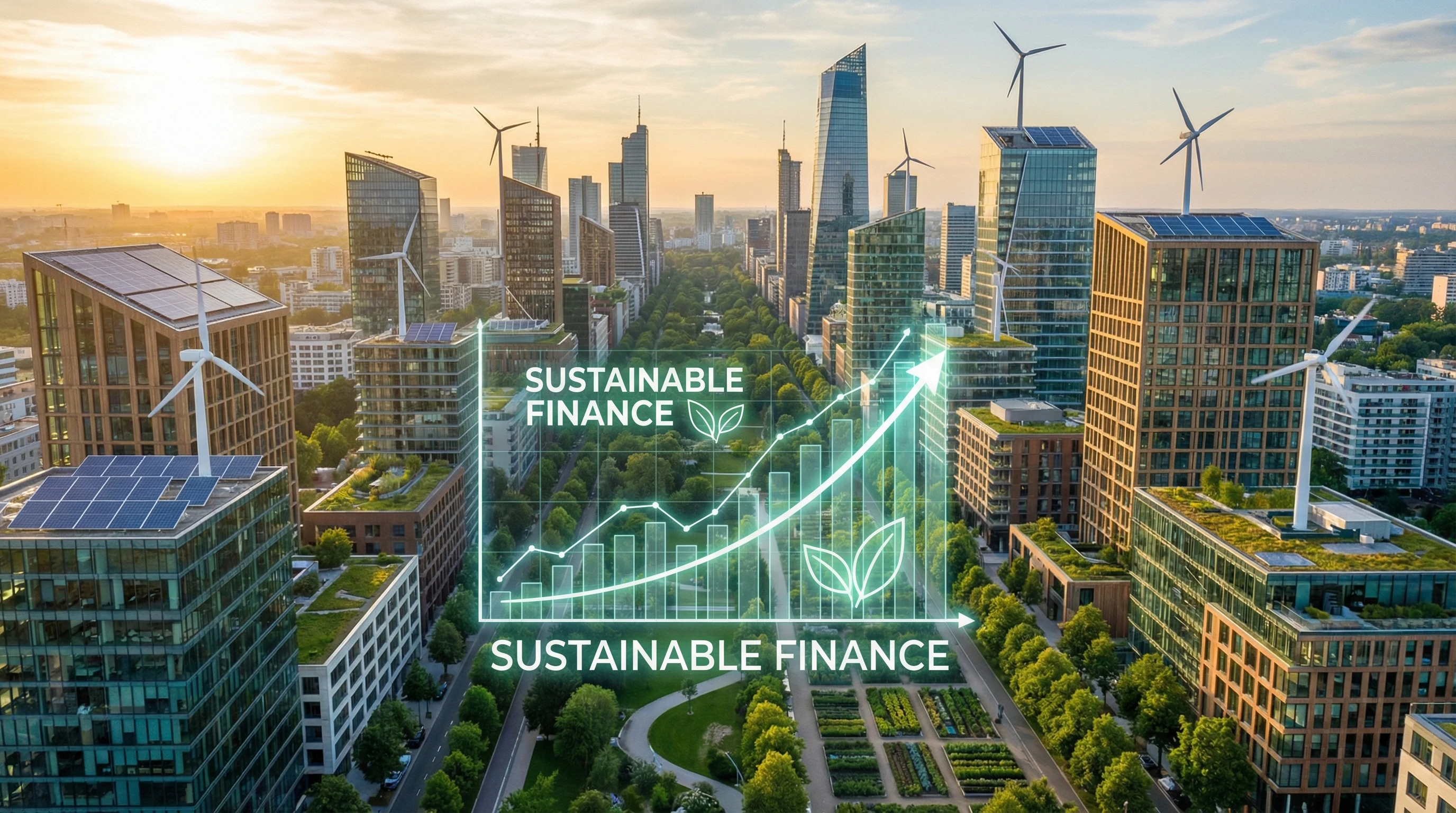
Sustainable finance concept environment and investment

What Is Sustainable Finance?

Sustainable finance is the practice of considering environmental, social, and governance (ESG) factors when making financial decisions. I find that this approach isn’t just about making money. It’s about using finance to encourage businesses and governments to act responsibly for the sake of future generations.

Investing in sustainable projects is no longer just a trend. Over $35 trillion was invested in ESG assets worldwide in 2020, and that number keeps rising, according to the Global Sustainable Investment Alliance. This growth shows just how much investors care about aligning their money with values like environmental protection, social justice, and ethical governance.

By choosing financial products and investment strategies that reward responsible behavior, finance professionals help ensure sustainability becomes a core part of decisionmaking. This makes finance an engine for positive change.

Linking Financial Decisions to Sustainability Goals

I’ve noticed that companies and organizations often list sustainability among their top priorities, but the way they spend and invest usually reveals their real intentions. Here are a few ways financial decisions directly support sustainability objectives:

  • Directing Investments: Choosing to invest in green bonds, cleantech, or companies with strong ESG ratings makes a direct impact.
  • Budget Allocations: Allocating company resources to sustainability projects, like energy efficiency upgrades or waste reduction programs, shows real commitment.
  • Risk Management: Factoring climate or social risks into financial planning helps organizations prepare for the future and avoid hazards.
  • Reporting and Transparency: Publicly tracking and reporting sustainabilitylinked financial outcomes builds accountability and trust.

Getting Started: Integrating Sustainability Into Your Financial Plans

If you want to start using finance to help achieve sustainability goals, you’ll need a plan. Here are some first steps I recommend, whether you’re an individual investor, a business, or working in public policy:

  1. Define Clear Sustainability Objectives: List your main goals. Do you want to reduce carbon emissions, improve diversity, or protect local habitats? Be specific because this shapes your strategy and what success looks like.
  2. Identify Relevant Financial Tools: This might include responsible investment funds, impact investing, green bonds, or even government grants and incentives for sustainable projects.
  3. Build ESG Screening Into Decision Making: Research investment opportunities and partners based on their environmental, social, and governance records. Use ESG rating agencies or indepth research to spot real leaders.
  4. Measure Progress and Adjust: Track both financial returns and sustainability outcomes. Use regular reviews to make improvements or change direction if needed.

I use this framework to make sure that my money and efforts help drive the change I want to see in the world.

Finance Tools That Support Sustainability

There are many ways finance can support sustainability, but some stand out for their effectiveness and popularity. Here’s an overview of the tools and products that I find most useful:

  • Green Bonds: These are loans or investments made specifically to fund environmentally friendly projects, such as renewable energy installation or clean transportation systems.
  • Social Bonds: Focused on projects that benefit people, these bonds might support affordable housing, better education, or public health initiatives.
  • Sustainability Funds: These mutual funds or ETFs invest only in companies or projects that meet strict ESG standards.
  • Impact Investing: This involves putting money directly into projects or companies designed to create social or environmental benefits alongside financial returns.
  • Community Investing: Providing funds to underserved areas and promoting fair access to jobs, housing, or banking services is another way I see finance supporting realworld sustainability goals.

Besides these tools, there are innovations like sustainability linked loans, which adjust their interest rates based on a borrower’s achievement of ESG targets. This encourages businesses to reach for better sustainability outcomes, not just settle for minimum standards.

Challenges You Might Run Into With Sustainable Finance

Switching to a finance approach focused on sustainability can feel daunting. There are a few challenges I often see organizations and individuals face, along with some ways to work through them:

  • Lack of Data: Without reliable data and ESG reporting, it’s hard to measure impact. I rely on trusted ESG data providers and keep asking for more transparency from my investments and partners.
  • Greenwashing: Some companies exaggerate or falsely claim their practices are sustainable. Careful research helps me spot red flags and hold organizations accountable.
  • Lower ShortTerm Returns: Sometimes, investing sustainably can mean smaller or slower profits at first. But over the long term, organizations that embrace sustainable practices tend to fare better with risks and reputation.
  • Changing Regulations: Financial and sustainability regulations mix it up often, making it important to stay updated and flexible when building a strategy.

Recognizing and Dealing With Greenwashing

Greenwashing can make it tough to know if a fund, company, or project is truly sustainable. I always dig deeper when evaluating investments: I read multiple sources, check thirdparty ESG ratings, and look for actions, not just promises. This helps ensure my financial decisions support genuine sustainability.

Working With Uncertainty and Incomplete Data

Incomplete or inconsistent reporting can make it hard to tell how sustainable a company really is. I use the best available information and encourage others to push for more standard reporting practices such as the Global Reporting Initiative (GRI) or Sustainability Accounting Standards Board (SASB) guidelines.

Using Financial Strategy to Drive Real Change

Sustainable finance isn’t just about picking the right stocks or bonds. It’s about building a financial strategy that encourages progress. Here are a few approaches I use to match finance with sustainability efforts:

  • Active Ownership: As a shareholder, I can vote on resolutions, get involved with executives, or even propose changes to push companies toward more sustainable practices.
  • Divestment: Selling or avoiding investments in businesses that fail to meet environmental or social standards sends a clear signal and moves capital to better alternatives.
  • Incentive Alignment: Linking executive pay, bonuses, or credit terms to ESG milestones can lead to real commitment at the top.
  • Impact Reporting: Calculating and publishing clear, meaningful impact reports keeps all stakeholders accountable and inspires further progress.

Some Real-World Examples

I’ve watched some big companies set sciencebased targets for carbon emissions tied directly to their access to credit or investor funding. Banks increasingly offer lower loan rates to firms with strong sustainability records. Cities are floating climate bonds to build green infrastructure. Each of these strategies shows that finance can fuel or speed up sustainable change when dollars are connected to results.

Common Mistakes to Avoid With Sustainable Finance

Pursuing sustainability objectives with financial tools is rewarding, but there are pitfalls I try to spot early. Here’s what I watch out for:

  • Focusing Only on the Environmental: Sometimes, the social and governance aspects are ignored. Thorough research and documentation can help avoid this narrow view.
  • Overlooking Risk: Even sustainable investments carry risks. Mixing in some variety across asset classes and geographies is important to protect against volatility.
  • Neglecting Regular Review: Sticking to a onetime plan can make progress stall. I find that consistent review helps keep goals on track and uncovers new opportunities or threats.
  • Trusting Vague Claims: “Ecofriendly” or “responsible” labels don’t mean much without supporting evidence. I always look for specific certifications and proven outcomes.

Bringing Employees and Stakeholders Into the Mission

Sustainable finance is most effective when everyone gets involved. I encourage open communication with employees, customers, and investors about what sustainability goals are and how financial decisions will back them up. This means sharing progress and inviting feedback on policies and results. It builds trust and energizes support.

One of the most impactful things I’ve seen is when organizations link personal incentives or team bonuses to sustainability milestones alongside financial targets. It’s one way to make sure the whole team pulls in the same direction.

Examples of Finance Supporting Sustainability in Different Sectors

Sustainable finance looks different across industries. I’ve compiled some sector-specific examples that show how finance helps reach sustainability objectives:

  • Energy: Banks and pension funds are crucial in providing capital for solar and wind energy projects or funding energy efficiency improvements in homes and factories.
  • Agriculture: Sustainable loans encourage farmers to adopt environmentally responsible practices, like precision irrigation or organic production.
  • Real Estate: “Green mortgages” reward buyers and builders who create energyefficient, lowemissions homes and buildings.
  • Transportation: Government grants, investment in public transit, or the development of lowcarbon vehicles benefit from sustainable finance mechanisms.

Other areas like technology and healthcare are also incorporating sustainable finance. For example, tech companies are launching responsible innovation funds to develop energy-saving software and hardware, while healthcare providers use sustainabilityfocused bonds to expand access to care and reduce their environmental impact.

Frequently Asked Questions About Sustainable Finance and Sustainability Goals

Here are a few questions I often hear from people trying to connect finance with sustainability efforts:

How can I make sure my investments really support sustainability?
Answer: Screen your investments with reliable ESG data providers, read thirdparty impact reports, and check for independent certifications like those from the Climate Bonds Initiative or B Corp.


Can small businesses use sustainable finance?
Answer: Yes. Small firms can access green lending, tap into government grants, and adopt impact reporting to show their progress and attract loyal customers or responsible investors.


Is sustainable finance only for big companies or large investors?
Answer: Not at all. Anyone can use sustainable finance principles, from individuals choosing ethical funds to local governments funding community solar projects. Every decision makes a difference.


What’s the long-term benefit of adopting sustainable finance strategies?
Answer: While initial returns might be modest, adopting sustainable finance often leads to stronger risk management, better stakeholder trust, and improved reputations, all of which can lead to increased value over time.


Key Takeaways for Using Finance to Meet Sustainability Goals

Connecting financial resources to sustainability objectives makes good sense for the environment, society, and long-term business health. By setting specific goals, carefully choosing financial products, checking for meaningful impact, staying involved, and reviewing progress often, I’ve found it’s possible to drive real, positive change. You don’t have to sacrifice returns or accountability to make a difference. The tips and strategies I’ve shared here help anyone use finance to meet their sustainability goals, whether they’re making personal investments or running a global enterprise. With ongoing attention to transparency and impact, finance can keep powering a more sustainable world, one smart decision at a time.

What Is The Different Between Tax Evastion And Tax Avoidance

Understanding the difference between tax evasion and tax avoidance is really important for anyone who wants to handle their finances responsibly and legally. I often hear people use these terms interchangeably, but there’s a big difference in what they mean and how the law treats them. In this article, I’m going to break down the concepts, show how they play out in real life, and give you the tools you need to stay smart about your taxes.

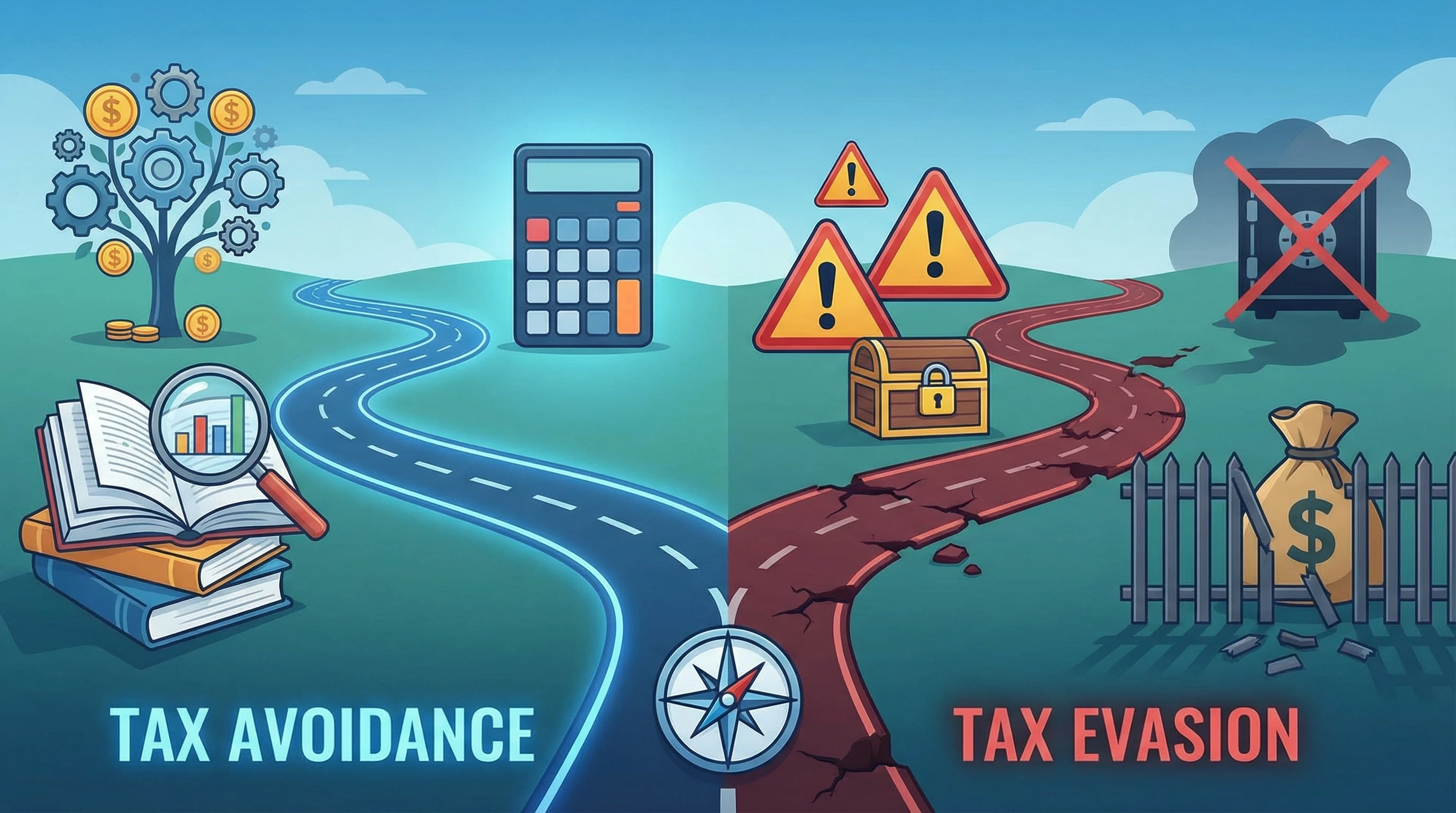
A visual illustration of documents, tax forms, and money, with arrows highlighting legal and illegal paths representing tax avoidance and evasion

What Is Tax Evasion and Tax Avoidance?

Tax evasion and tax avoidance both deal with how people and businesses handle their tax bills, but they couldn’t be more different in terms of legality. I see tax avoidance as the practice of reducing your tax liability in ways that follow the letter of the law. It’s all about using legal loopholes, credits, deductions, and smart financial planning to pay less in taxes without breaking any rules.

Tax evasion, on the other hand, is illegal. It happens when someone deliberately misrepresents or hides information to keep from paying the taxes they owe. This could mean underreporting income, inflating expenses, hiding money in offshore accounts, or even failing to file a tax return entirely. If you’re caught evading taxes, there can be criminal charges, heavy fines, and even jail time in some cases.

Governments take these differences seriously. While they might not be thrilled if you find ways to minimize your tax bill, as long as you’re following the law, you’re just practicing tax avoidance. If you cross the line and try to cheat the system, that’s tax evasion, and it can come with real consequences.

Why Understanding the Difference Matters

The line between tax avoidance and tax evasion is not just about following rules; it’s about protecting yourself. If you accidentally step over that line, you could face audits, penalties, and even criminal prosecution. I find it’s always safer and smarter to know what each term means so I can make confident choices when managing my finances or consulting with a tax professional.

Tax agencies like the IRS in the US and HMRC in the UK regularly monitor for signs of both evasion and aggressive avoidance. Sometimes, they even challenge legal avoidance strategies if they believe those strategies abuse the spirit of the law. That’s why paying careful attention helps ensure your actions stay safe and within legal boundaries (IRS, HMRC).

Shows of Tax Avoidance: What It Looks Like in Practice

Tax avoidance happens when I (or anyone else) use the tax rules to my advantage, but never cross the line into hiding income or making false statements. Here are some ways everyday people and big companies practice legal tax avoidance:

  • Claiming Deductions: Taking all the deductions available, such as mortgage interest, student loan interest, retirement savings, and healthcare expenses, to lower taxable income.
  • Using Credits: Taking advantage of tax credits for education, renewable energy installation, or childcare.
  • Retirement Contributions: Depositing money into retirement accounts (like IRAs or 401(k)s in the US) lowers taxable income for the year.
  • Taking Advantage of TaxDeferred Investments: Investing in accounts where you don’t have to pay taxes on the income until you withdraw it later, such as some bonds or annuities.
  • Business Expense Planning: For small business owners, carefully timing the purchase of equipment or supplies can help maximize available deductions within the rules.

Companies often use more complex strategies, like shifting profits to countries with lower tax rates or restructuring to benefit from international tax treaties. These approaches can save millions on taxes as long as they’re structured legally and follow industry rules. In fact, multinational corporations may move intellectual property holdings to countries with more favorable tax laws, reducing the effective tax rate on major revenue streams. Another frequent strategy is internal lending between subsidiaries, creating legitimate interest expenses to offset profits, as long as these moves are properly documented and disclosed to authorities.

What Tax Evasion Looks Like: Examples and Red Flags

Tax evasion involves dishonesty. Here are some clear ways tax evasion shows up:

  • Underreporting Income: Not reporting all the money you’ve earned. For example, if I work a side job and decide not to tell the tax authorities about my cash payments, that’s tax evasion.
  • Inflating Deductions or Expenses: Claiming deductions for personal expenses as business costs or inventing expenses that never happened.
  • Hiding Money Offshore: Stashing money in foreign bank accounts and failing to report it.
  • Failing to File Returns: Simply not filing tax returns when you know you have an obligation.
  • Using Fake Documents: Presenting false receipts, invoices, or records to support fake deductions or credits.

Tax authorities are always on the lookout for these activities, and penalties can be severe. Honest mistakes do happen, but proving intent can make a big difference in how a case is treated. Regular audits, whistleblowers, and software algorithms help tax offices spot questionable patterns or hidden income. If authorities pick up on a consistent mismatch between reported earnings and lifestyle—like owning high-value assets on a modest declared income—they may initiate an investigation.

Key Differences and Why They Matter

Tax avoidance is legal and tax evasion is illegal. That’s the main takeaway everyone needs to remember. Here are some details that highlight this difference:

  • Intent: Avoidance involves taking advantage of legal means; evasion is about deliberately hiding, lying, or cheating.
  • Methods: Avoidance relies on planning, while evasion involves misrepresentation or deception.
  • Consequences: Practicing avoidance could draw attention from tax authorities if your strategies are aggressive, but staying within the law means you won’t face criminal penalties. Evasion can lead to fines, loss of assets, and sometimes jail time.
  • Morality: Some people see aggressive avoidance as “unsporting” or unfair, even if it’s legal. Evasion is almost universally recognized as wrong because it takes money away from community services, schools, and infrastructure.

Understanding these points helps me feel confident about my own tax decisions. It also makes it easier to recognize when something is getting risky, so I can reach out to a professional for advice.

Common Questions Around Tax Evasion and Avoidance

I get asked about these topics often, and there are a few questions that always come up:

Is it wrong to reduce my taxes?
There’s nothing wrong with trying to pay less tax if you’re following the law. Tax avoidance is about working within the rules, while evasion means breaking them. If I feel unsure, I check with a tax advisor to make sure everything is clear.


Can tax avoidance become evasion over time?
It happens. Sometimes what starts as aggressive avoidance (pushing rules to the limit) can cross the line and become evasion, especially if I start making up expenses or hiding money. Staying transparent in my records keeps me safe.


How do authorities decide if something is evasion or avoidance?
They look at intent, documentation, and patterns. If I’m transparent and can back up my claims with receipts and contracts, that’s a good sign. If there are fake documents or I’ve omitted income, that’s a red flag for possible evasion.


Are some tax avoidance strategies “unethical” even if legal?
Some people believe so, especially when big companies pay almost nothing in taxes through complicated planning. Laws do change over time when governments decide certain behaviors, though legal, no longer match public expectations. If I want to be safe, I try to follow not just the rules but also the intent behind them.

The Risks of Mixing Up Tax Evasion and Avoidance

Confusing these two concepts isn’t just risky; it can be costly. If you’re ever unsure, a good tax professional can help explain strategies so there’s no doubt about legality. The cost of making a mistake can be much higher than the cost of some good advice. I like to read credible sources like the official tax authority websites and check updates annually, just to keep my knowledge fresh.

When governments spot widespread abuse in legal tax avoidance schemes, they sometimes pass new laws to close loopholes. For example, General Anti-Abuse Rules (GAAR) are being adopted in more countries to keep companies and individuals from stretching planning beyond what lawmakers intended. Ignorance of the difference between avoidance and evasion can therefore lead you down a path that invites legal and financial trouble. The best practice is to always double-check questionable strategies before implementing them to avoid unwanted surprises.

Defending Yourself: What to Do If Tax Authorities Ask Questions

If tax authorities ever question my returns, I stay calm, honest, and transparent. Here’s what really helps in that situation:

  • Keep organized records of all your income, expenses, and deductions for at least as long as your country’s tax laws require.
  • Be ready to explain where your income came from and how you calculated your tax bill.
  • If in doubt, consult a certified tax professional or accountant who’s up-to-date with current laws.

If you’ve done things properly, you likely have nothing to worry about. If there’s been an error, owning up and working with the authorities usually leads to a better outcome than ignoring the situation. When confronted with questions, being able to produce clear, organized paperwork can build trust and help resolve the issue quickly.

RealWorld Impacts: Why Fair Tax Practices Matter

Paying the correct amount of tax isn’t just about following the rules. Taxes fund schools, hospitals, roads, and other services that everyone relies on. Aggressive evasion means less money for public projects, making life harder for everyone—including myself. While everyone wants to save money, following both the letter and spirit of the law goes a long way to keeping things fair.

Big scandals, like the Panama Papers or cases where celebrities were caught evading taxes, show how serious governments and the public are about fair taxation. I always remember that even if something seems minor, tax authorities are getting better every year at finding and investigating suspicious activities (Panama Papers). Many governments now share taxpayer data across borders to fight cross-border evasion, so relying on old tricks isn’t safe. Public sentiment is also shifting, with ordinary people demanding more transparency from wealthy individuals and corporations. As a result, tax laws keep evolving to address new methods of avoidance and evasion, and being informed helps ensure you stay compliant no matter how the landscape changes.

Start with Proper Planning: Practical Tax Tips

It’s much easier to avoid problems if I keep things above board from the very beginning. Here are a few simple ways I make sure I’m practicing tax avoidance, not stepping into tax evasion:

  • Double-check income and expense records for accuracy
  • Save receipts, invoices, and supporting paperwork for all deductions
  • Use reliable tax preparation software or hire professional help when things get complicated
  • Stay up to date on new tax laws and regulations
  • Ask questions whenever something seems unclear, especially with new investments or businesses

Careful planning and open communication aren’t just smart; they’re a way to enjoy peace of mind and avoid unwanted surprises from tax authorities. Periodic reviews of your records and annual tax checkups are highly recommended as best practices. If you own a business or have international investments, these check-ins are even more crucial since compliance becomes more complex as your finances grow.

Tax Evasion vs. Avoidance in the Business World

For business owners, the stakes are even higher. Businesses sometimes have access to much more complex tax planning strategies. I’ve learned that international tax laws, transfer pricing rules, and aggressive restructuring options can save money, but can also attract extra scrutiny. When companies get creative, they need solid support from professional advisors who know all the local and global rules in detail. Otherwise, what looks like clever planning could quickly be treated as evasion.

I follow trusted resources like the OECD on BEPS (Base Erosion and Profit Shifting) to keep up with international rules and updates. For small business owners, just understanding allowable business expenses and keeping great records goes a long way. If you own or manage a company, be proactive in working with accountants familiar with your industry, and don’t rely solely on advice from general sources online. When in doubt, always document your reasoning behind major decisions and be ready to share it during an audit.

Key Takeaways: How I Stay on the Right Side of the Law

I always remind myself that tax avoidance is about being smart within the rules, while tax evasion crosses the line into dishonesty. If something feels shady, it’s probably time for a second opinion. Using tax credits, deductions, and planning is fine, but inventing expenses or forgetting to report income always lands people in trouble.

When in doubt, I focus on three things:

  • Be transparent about all income and expenses
  • Consult with qualified tax professionals if I’m unsure
  • Follow not just the letter, but also the spirit of the law

With these habits, I feel much better about my tax returns and sleep easier knowing I’m not risking trouble with the tax authorities. Staying informed and organized, and asking questions when anything is unclear, protects not just my wallet but my reputation and peace of mind as well. Ultimately, playing by the rules is the best way to safeguard your finances in any tax season.